



If you want to know CrossFit CEO and founder Greg Glassman's official mantra on what fitness is, here it is:
“Eat meat, vegetables, nuts and seeds, some fruit, few carbs and no sugar. Keep an energy intake that supports exercise but does not induce fat gain. Practice and train the major lifts: deadlift, clean, squat, presses, C&J and snatch.
You should also master the basics of gymnastics: pull-ups, dips, rope climbing, push-ups, sit-ups, from presses to handstands, kipping, cartwheels, flips, splits and holds.
Ride a bike, skip rope, run, swim, row, etc, hard and fast. Five to six times per day, mix these elements in as many combinations and patterns as creativity allows. Routine is the enemy. Do short, intense workouts. Learn and regularly practice new sports.”
These 100 words form and inform the the foundation of both CrossFit and the type of nutrition plan you may want to follow if you really want to go back to basics (we're talking about the paleo diet, but we'll get to that later).
▼ Index
We'll break down everything we’re going to mention shortly, but to begin, let's see what CrossFit is, how it started and all that.
(We'll skip over some essential things here, but don't worry, we’ll reference them later so you'll know exactly what they are by the end of the article).
This is what you'll learn in this article:
- What CrossFit is and how it began
- Who does CrossFit
- Pros and cons of CrossFit
- CrossFit terminology
- Workout examples
- How to start
We also offer a ton more resources on our blog:
What is CrossFit?
Created by Greg Glassman in 1995, CrossFit is essentially a strength and conditioning program that was designed to improve and maximize general fitness and performance levels of its participants.
Essentially, it's focused on making sure you can, physically, face anything life throws at you. This isn't achieved by specializing in a single exercise discipline, but by incorporating a wide range of strength, cardio and gymnastic routines.
The cornerstone of CrossFit is a set of functional movements constantly varied, performed at high intensity for short periods of time. Movements like sprinting, rowing, skipping rope, rope climbing, tire flips, lifting weights, carrying heavy objects and other bodyweight exercises are incorporated into daily training routines.
The unofficial CrossFit mantra is to create athletes equipped with a “general physical preparedness”.
CrossFit operates on a calendar of daily training routines more commonly known as WODs – Workout Of the Day. A complete workout can be completed in under 20 minutes (although some are timed, and others are much longer, up to an hour or more).
There are a number of benchmark preset routines called 'the Girls' that we'll discuss later, and another group of workouts named in honor of emergency personnel who died in the line of duty, known as Hero workouts. Again, don't worry about these now, as we’ll go into them a bit more later.
CrossFit incorporates a wide range of strength, cardio, plyometric and gym equipment. A single workout can include rowing machines, Olympic bars and plates, plyo boxes, dumbbells, jump ropes, climbing ropes and a rig for pull-ups and other movements.
Other workouts might include running, medicine balls or large heavy tires. It's up to the CrossFit athlete or coach to determine the daily schedule and the training activities to perform. Your coach will make a plan to help gain strength and improve cardiovascular fitness over a period known as a cycle.
CrossFit can benefit practically anyone looking to improve their quality of daily life, increase their capacity to perform physical tasks, or anyone who wants to look and feel better.
Because CrossFit incorporates a wide range of physical activities, the program builds power, strength, balance, athleticism and endurance at the same time, and on top of that, it burns fat. Everyone — men, women, young and old — can achieve exceptional results if they're willing to put in the time and effort. CrossFit's only limitation is how much you're willing to push yourself each day.
Sounds intense? We say it sounds fun! Let's see who does CrossFit.

What kind of people do CrossFit?
The best thing about CrossFit is that absolutely anyone can do it. Really, anyone. CrossFit Kids classes are known worldwide, and the positive impact functional exercise can have on older adults, in terms of happiness, self-esteem and overall health, is incredible.
CrossFit is adaptable, too. Every CrossFit movement has a scaled equivalent, so there's no reason you can't be part of this sport. Can't jump onto a 60cm box? Don't jump — simply step up, or use a 25cm box. CrossFit is for everyone, and if you're wondering what kind of people do CrossFit, go look outside. Look in the mirror.
Why people do CrossFit
Everyone has their own reason for training. Some do it because they want to compete. Others do it because they want to lose weight or get stronger.
Every reason to want to train CrossFit is as valid as the next, and there are as many reasons as there are people doing it (which, by the way, are millions).
We recently reached out to the Velites community to ask them some of the reasons they love training with CrossFit. Here are some of their responses:
- “CrossFit makes it possible for me to do things I simply can't do in a regular gym”
- “I'm 47 and, honestly, I'm stronger and fitter now after 3 years of CrossFit than I've ever been in my life”
- “I work in the police and CrossFit training is the best way for me to stay fit while also improving my strength and endurance”
- “It's fun! That way I can see my friends every day, doing something we love”
- “I signed up for CrossFit because I moved to a new city and wanted to make friends with similar tastes. It's been worth it”
- “The CrossFit community is the best. So encouraging… Everyone supports you and you can make lifelong friends simply by complaining about the bars”
Getting strong and fast is surely one of the reasons people love CrossFit, but its community is what this sport is really known for. As our community members said, there's nothing like being with your friends every day, giving it your all and getting fit — then talking about it afterwards.
You don't have to be super competitive to do CrossFit. You just have to enjoy having fun.
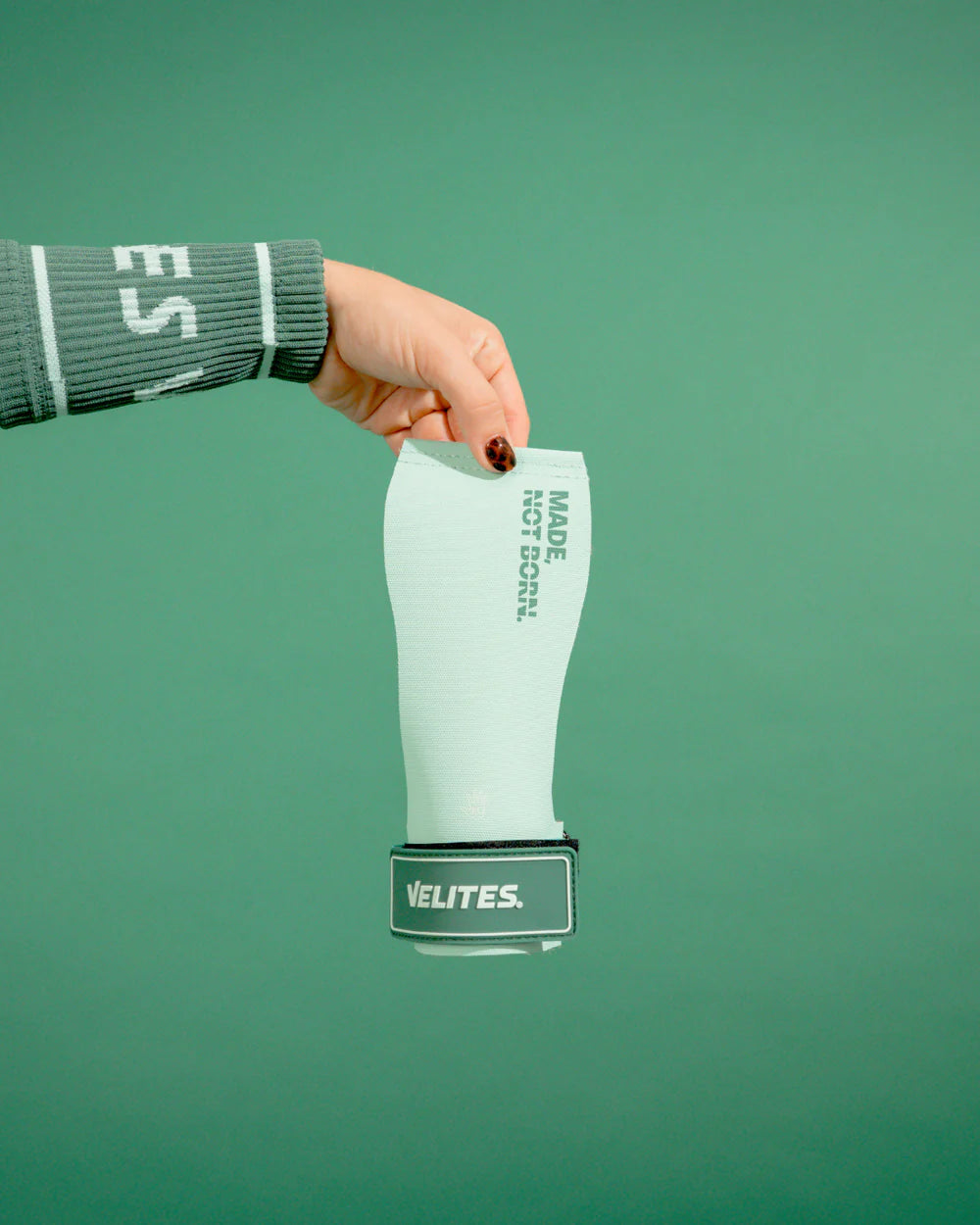
6 colors available
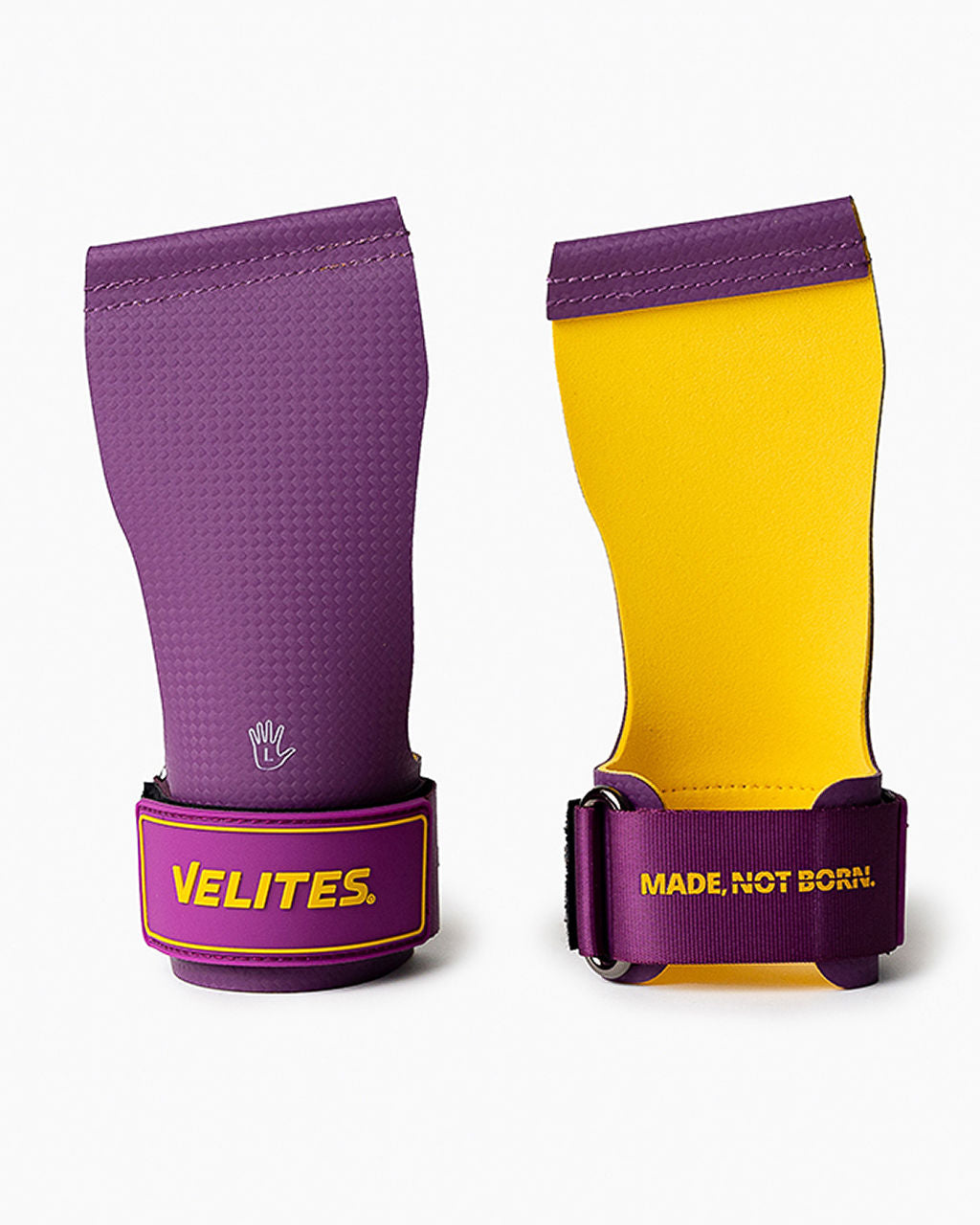
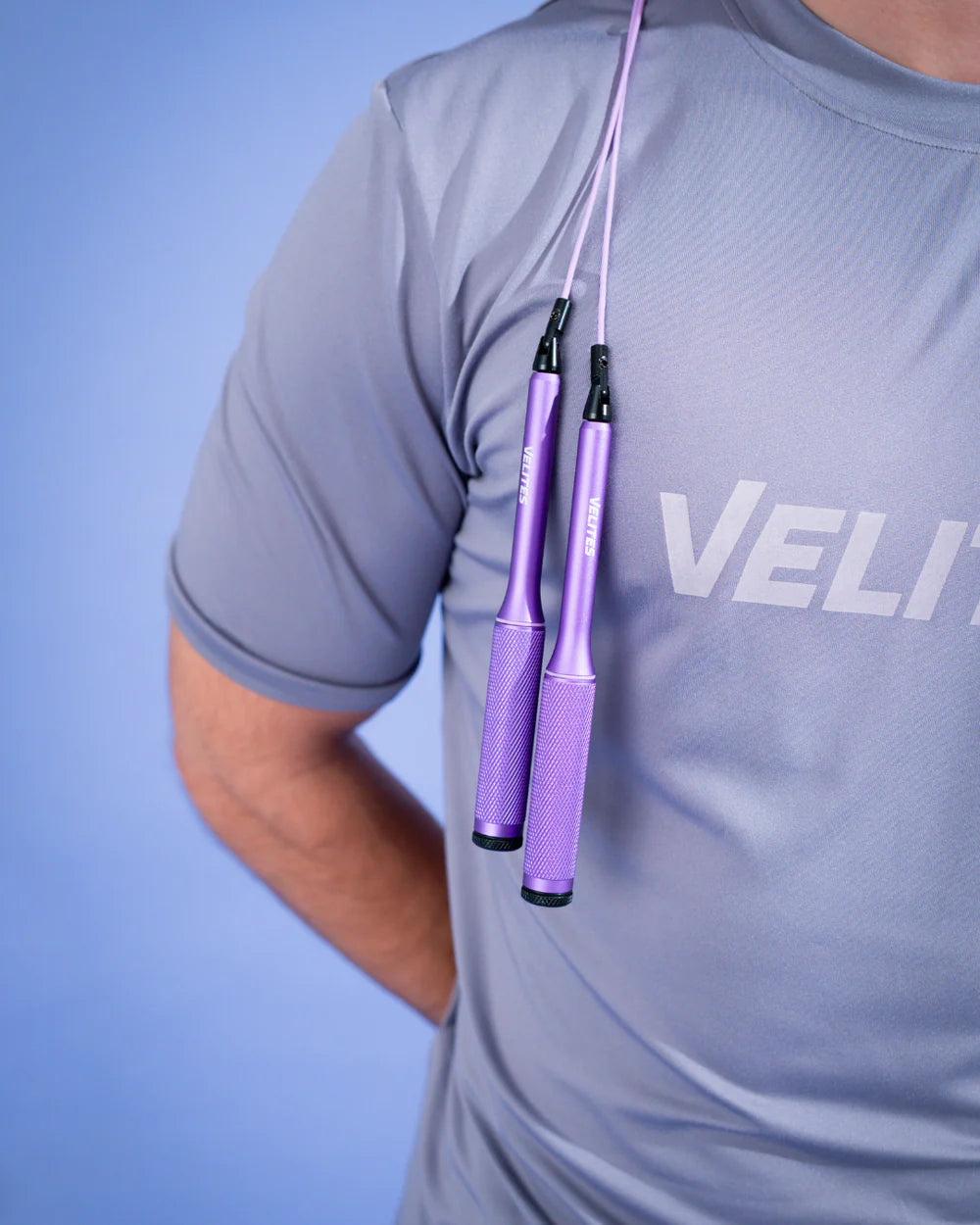
7 colors available

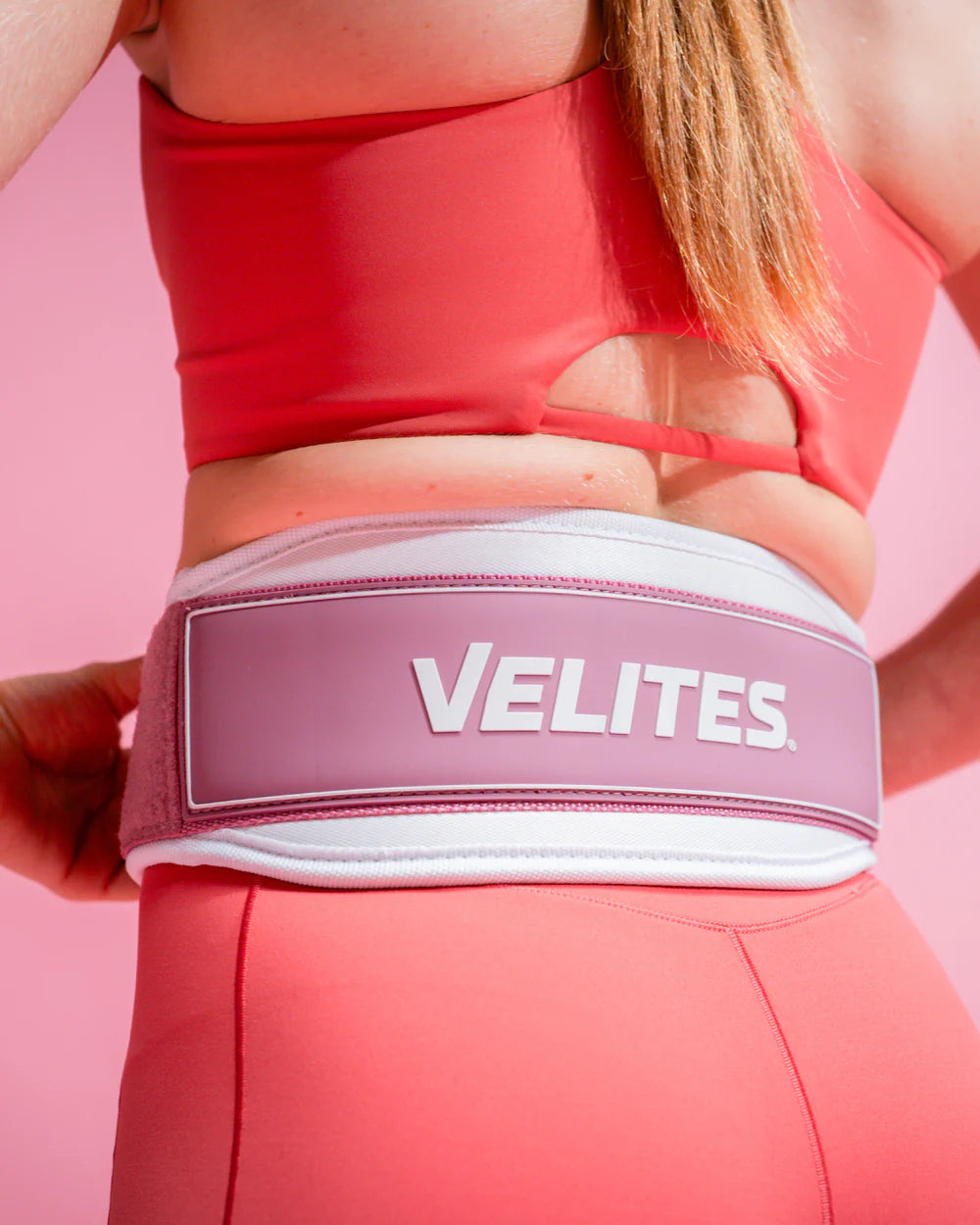
26 colors available
Pros and cons of CrossFit
Okay, before we get carried away (although we already have), let's coolly examine some pros and cons of doing CrossFit.
The Pros of Doing CrossFit
- You'll get strong. Your whole body will get strong. You'll work multiple muscle groups at once.
- Olympic lifting: you'll learn how to correctly perform a clean and jerk and a snatch.
- Increases stamina: your endurance and pain tolerance will increase.
- Cardiovascular improvement: you'll work harder for longer.
- Improved coordination: most CrossFit movements are designed to improve body coordination.
- Social life: you'll make new friends!
- Personal coach: you'll have a coach who knows you and understands your needs.
The Cons of Doing CrossFit
- It's not cheap: compared to a regular gym fee, CrossFit rates can be up to 3 or even 4 times more expensive.
- It's tough: expect to work hard if you want to see any real results.
- It has fixed classes: classes are usually one hour long and scheduled, so unless you can do open gym all the time, you'll have to fit your schedule to theirs.
- Warm-ups and aftercare: CrossFit warm-ups are long, and post-workout mobility is essential (and time-consuming).
CrossFit Terminology. WOD, what?
This part is super fun. Here we're going to put a huge list of all the terminology so strange and wonderful that you'll hear in your CrossFit gym.
Velites freebie: Take a look at this infographic in NOTE to help you get the most out of your CrossFit experience.
Are you ready? Here we go. (Note: this list does not include every movement, only those with shortened names or acronyms).
Box – the name given to a CrossFit gym. Called that because original CrossFit gyms were very small, usually found in industrial estates.
WOD – Workout Of the Day
RX – as prescribed. To do all the movements in a workout with the prescribed weights/numbers.
Scaled – To do a different version of a movement or with a lighter weight than RX.
AMRAP – As Many Rounds/Reps as Possible
BW – bodyweight
C&J – Clean and Jerk
C2 – Concept2 (rowing or ski erg machine)
CFT – CrossFit total (your squat, bench press and deadlift combined)
Chipper – A long workout performed for time
Clean – Usually performed with a bar, involves moving the bar from the floor or a hang position up to the shoulders.
CTB/C2B – Chest to bar pull-ups
DOMS – Delayed Onset Muscle Soreness
GHD – Glute Hamstring Developer (machine)
Globo Gym – Standard name for any gym that is not a CrossFit gym
Goat – any movement you are bad at, that you hate.
HSPU – Handstand push-up
Hero – Hero WOD (WODs named in honor of people who died in the line of duty)
K2E – Knees to elbows (knees to elbows on the rig)
Kipping – Hip-swinging movement used to make pull-ups faster
Metcon – Metabolic conditioning
PB – Personal best
Pood – Russian unit of measurement (1 pood = 16kg)
Rep – repetition
RM – Maximum repetition (e.g., back squat 1RM)
Set – the number of repetitions in a group (e.g., 2 sets of 4 reps)
Tabata – training method (8 rounds of 20s work/10s rest).
T2B/TTB – Toes to bar
TnG – Touch and go (you can't drop the bar between reps)
Unbroken – performing a set of movements without stopping or dropping the bar
Examples of CrossFit WODs (the basics)
No two CrossFit workouts are exactly the same, unless you're repeating a Hero WOD or a benchmark Girl WOD.
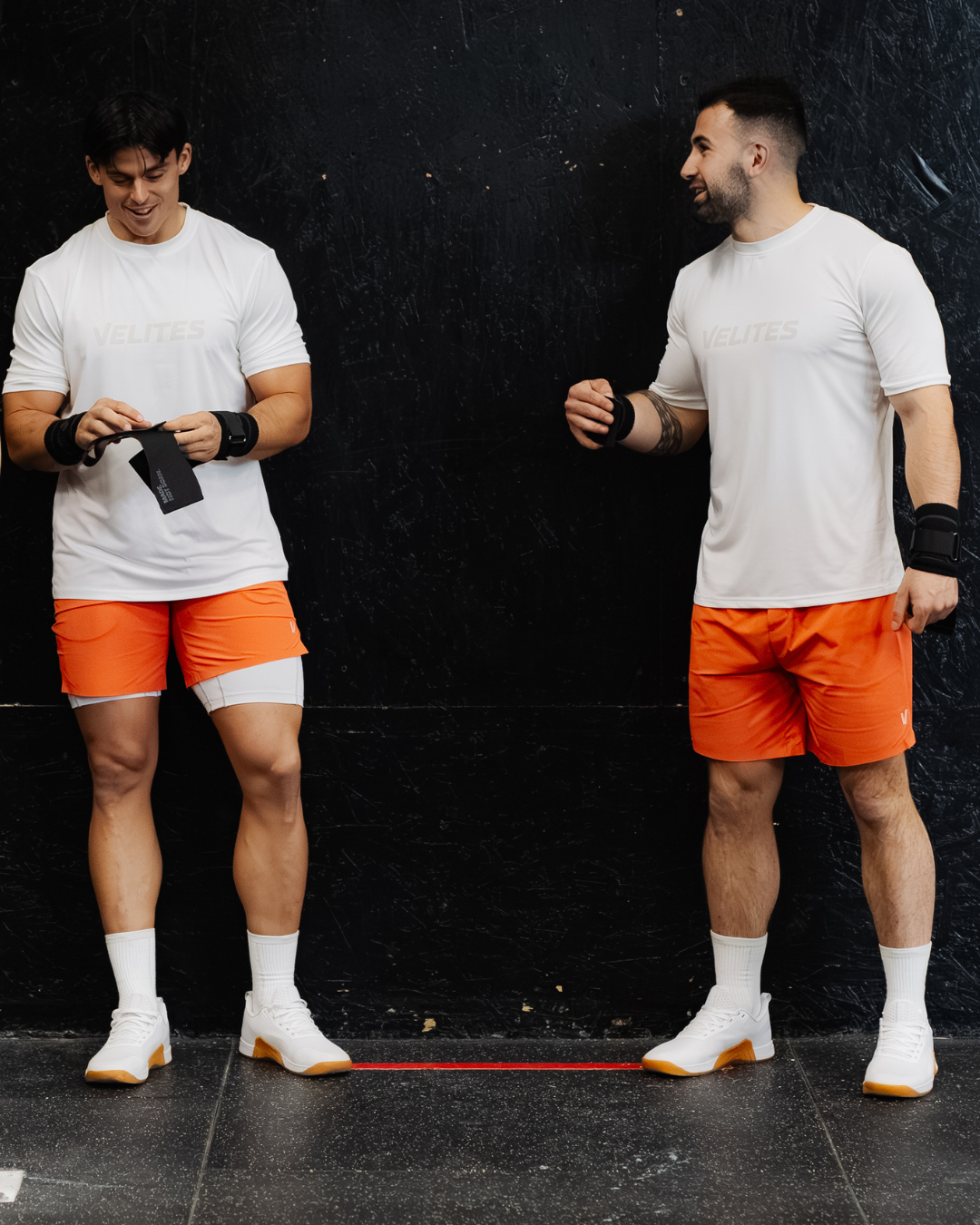
6 colors available
We've gathered here six workouts and strength components (including a Hero WOD and a Girl WOD), so you get an idea of what you might encounter any week at a typical CrossFit box.
Monday
Strength: Front Squat // Find your 2RM of the day // Do 5 sets of 2 at 80%
WOD: 16-minute AMRAP // 5 power cleans, 10 burpees, 15 T2B
Tuesday
Strength: Strict press // 8 sets of 3 at 70% of your 1RM
WOD: Fran // 21-15-9 thrusters and pull-ups
Tabata of hollow holds
Wednesday
Strength: Deadlift // Find your 3, 2 and 1RM
WOD: 20-minute AMRAP // 1 deadlift, 2 HSP, 3 C2B pull-ups // Add one rep to each movement every round
Thursday
Strength: Front squat // 5 sets of 10 reps at 60%
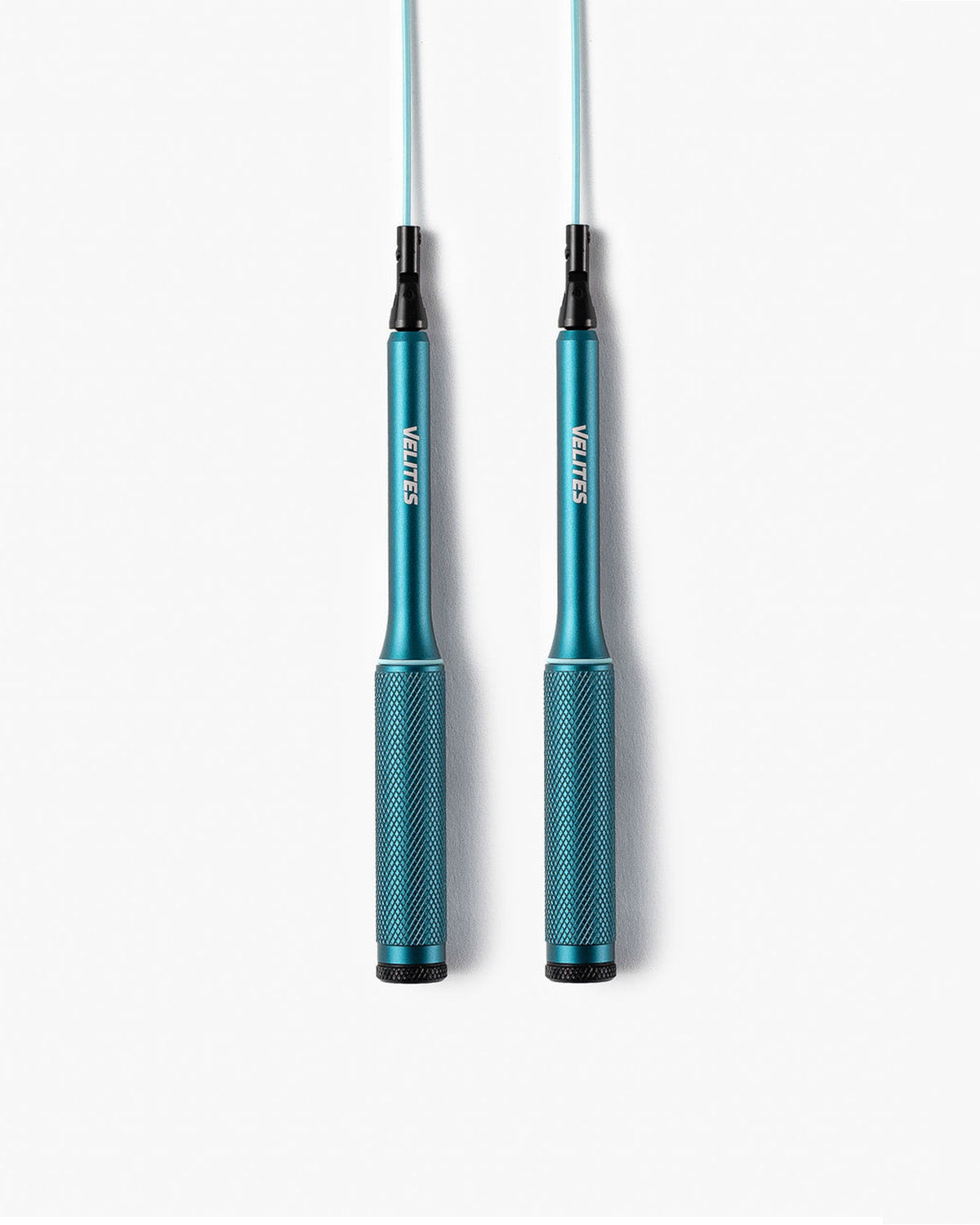
WOD: 10 rounds // 10 strict pull-ups, 30 double-unders (BUY the Velites Fire 2.0), 10 kettlebell swings
6 colors available That's all you need to do. There's a lot to learn, but starting CrossFit is always fun. If you liked this article, share it, and tag a friend you'd like to start CrossFit with. We'd love to hear from you.


Leave a comment
This site is protected by hCaptcha and the hCaptcha Privacy Policy and Terms of Service apply.