

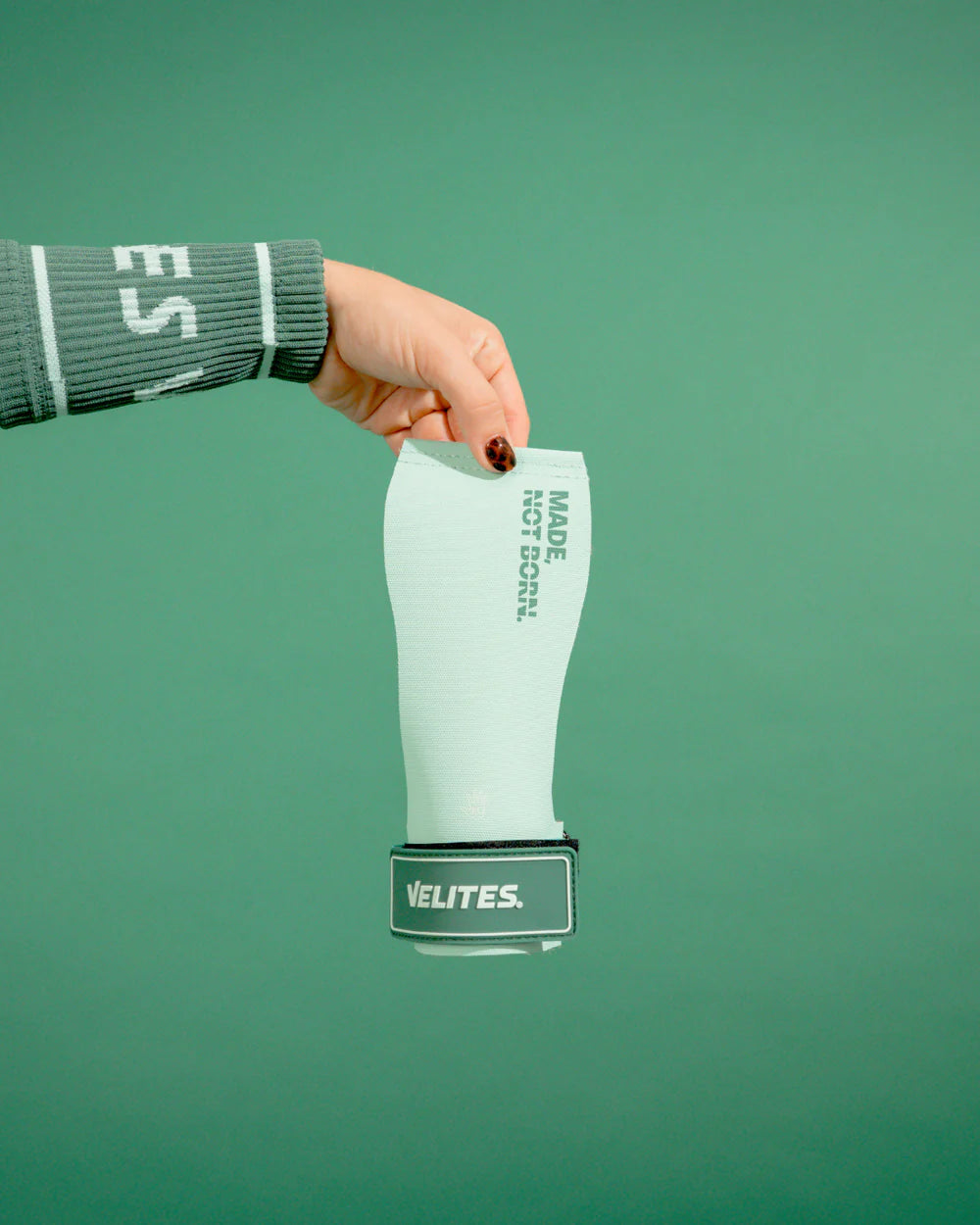
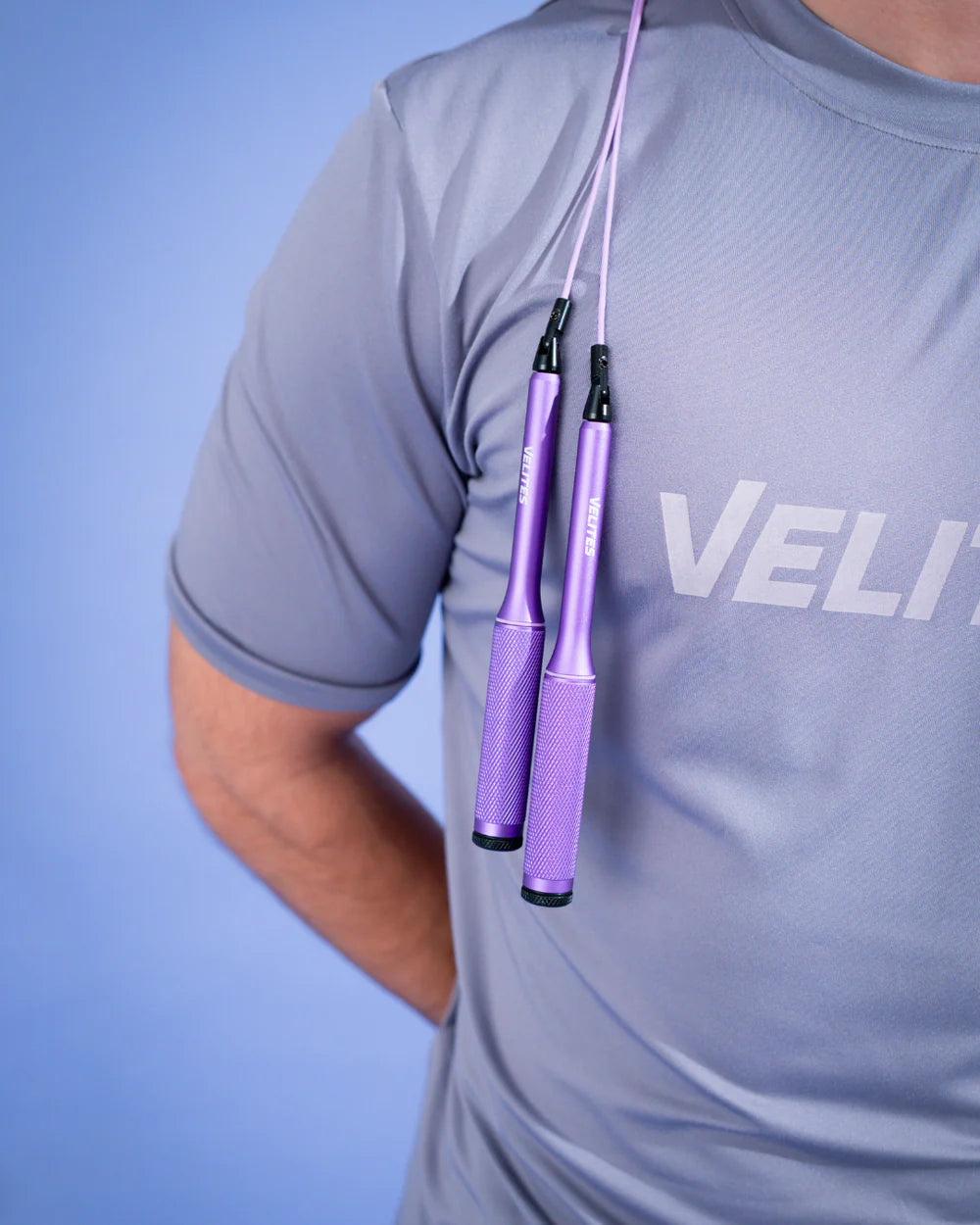
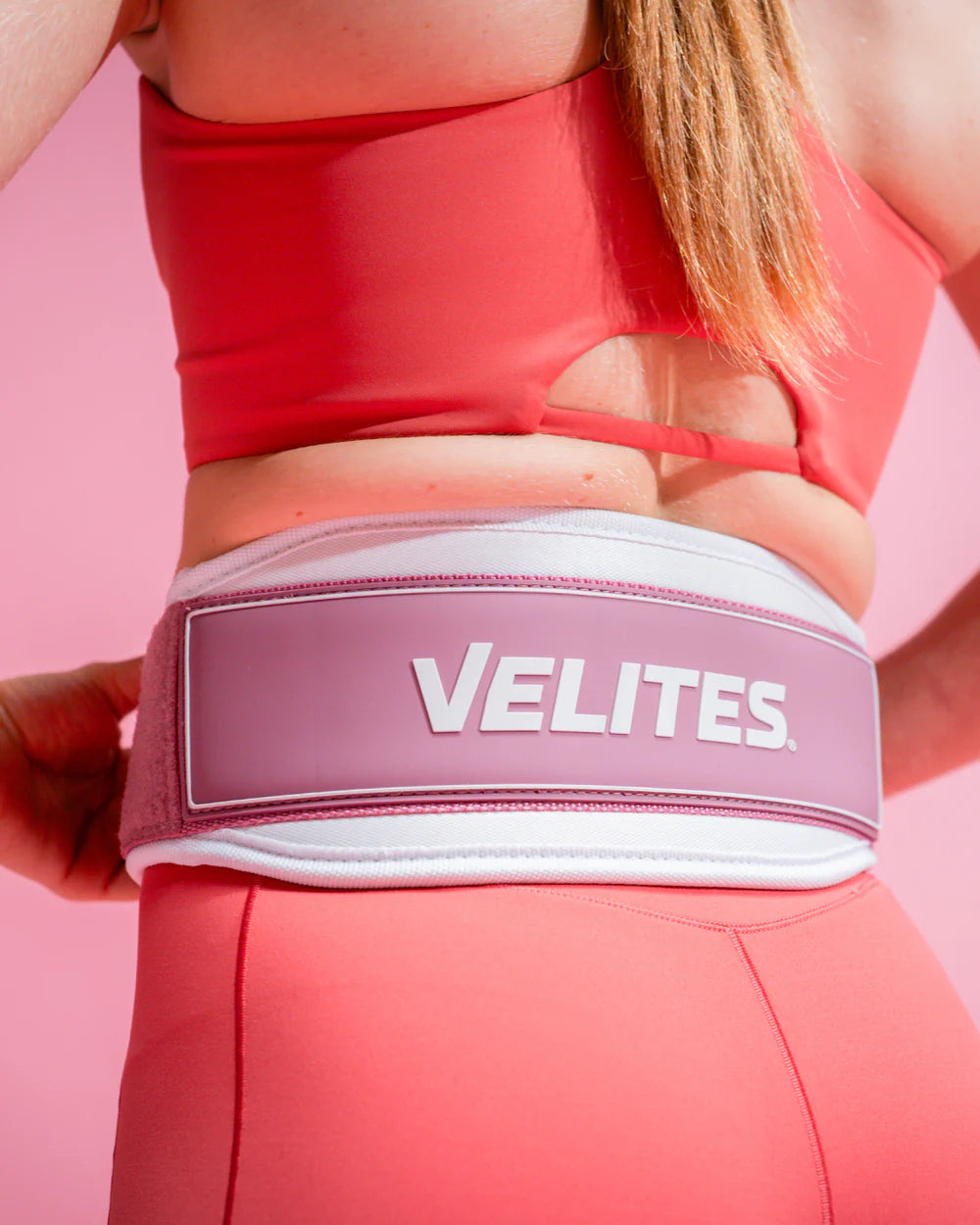
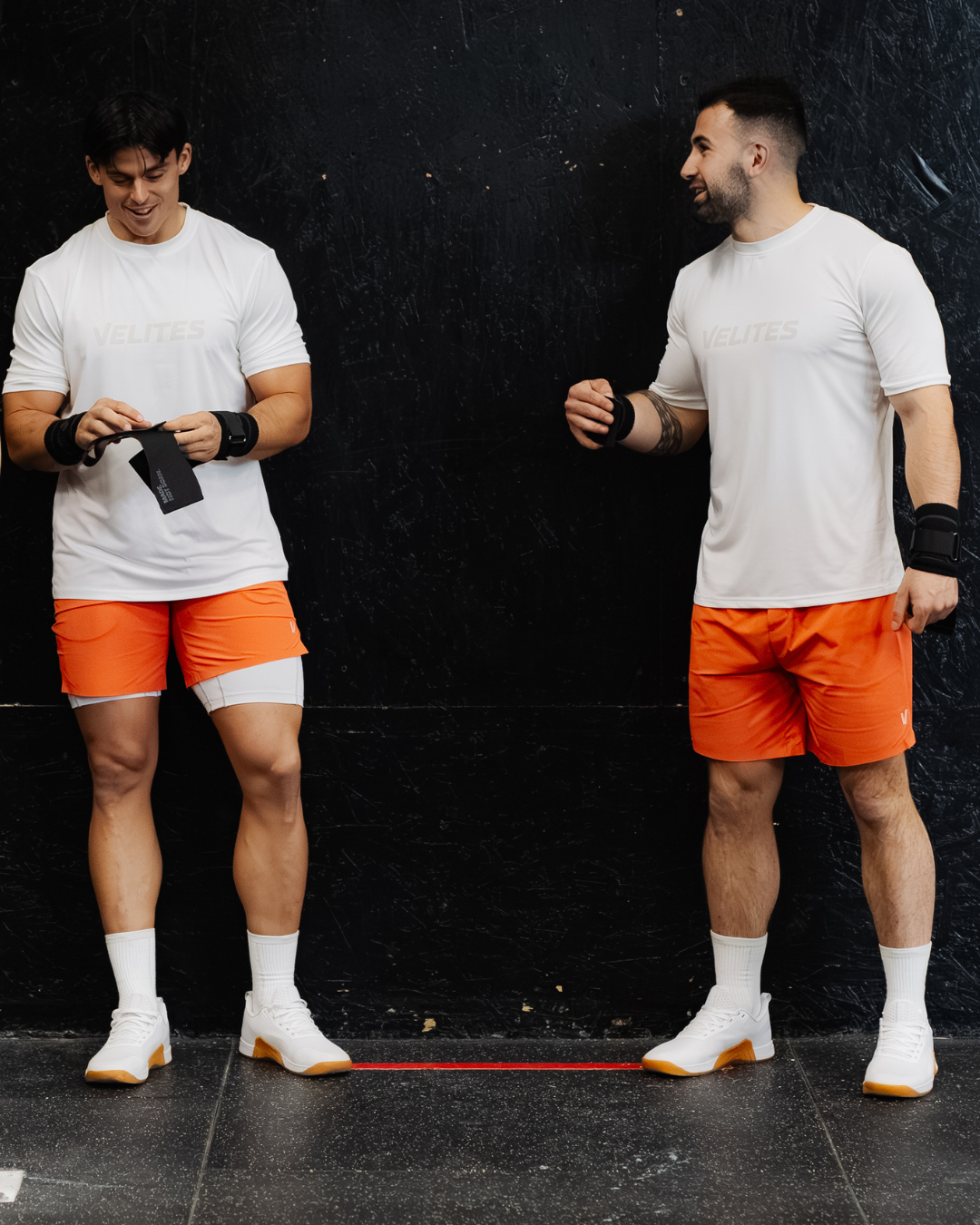

Most grips “die” from habits, not from the material. The moisture accumulated in the gym bag and a velcro full of lint shorten their life more than any WOD. With three simple routines (washing, drying and velcro) you'll gain months of use.
First things first: why some grips deteriorate sooner
It's not that you train “hard” and that's it. It's that the sweat, the chalk and the friction leave residues that, if you don't air or wash them, dry inside the material and the velcro. Then the closed gym bag in the car arrives, the heat of the trunk… and it smells, hardens or loses grip at the worst moment.
Think of the grip as a technical garment: if you air it out, clean it gently and keep the closure in shape, it withstands the training load much better (especially on a knurled bar and high-volume days).
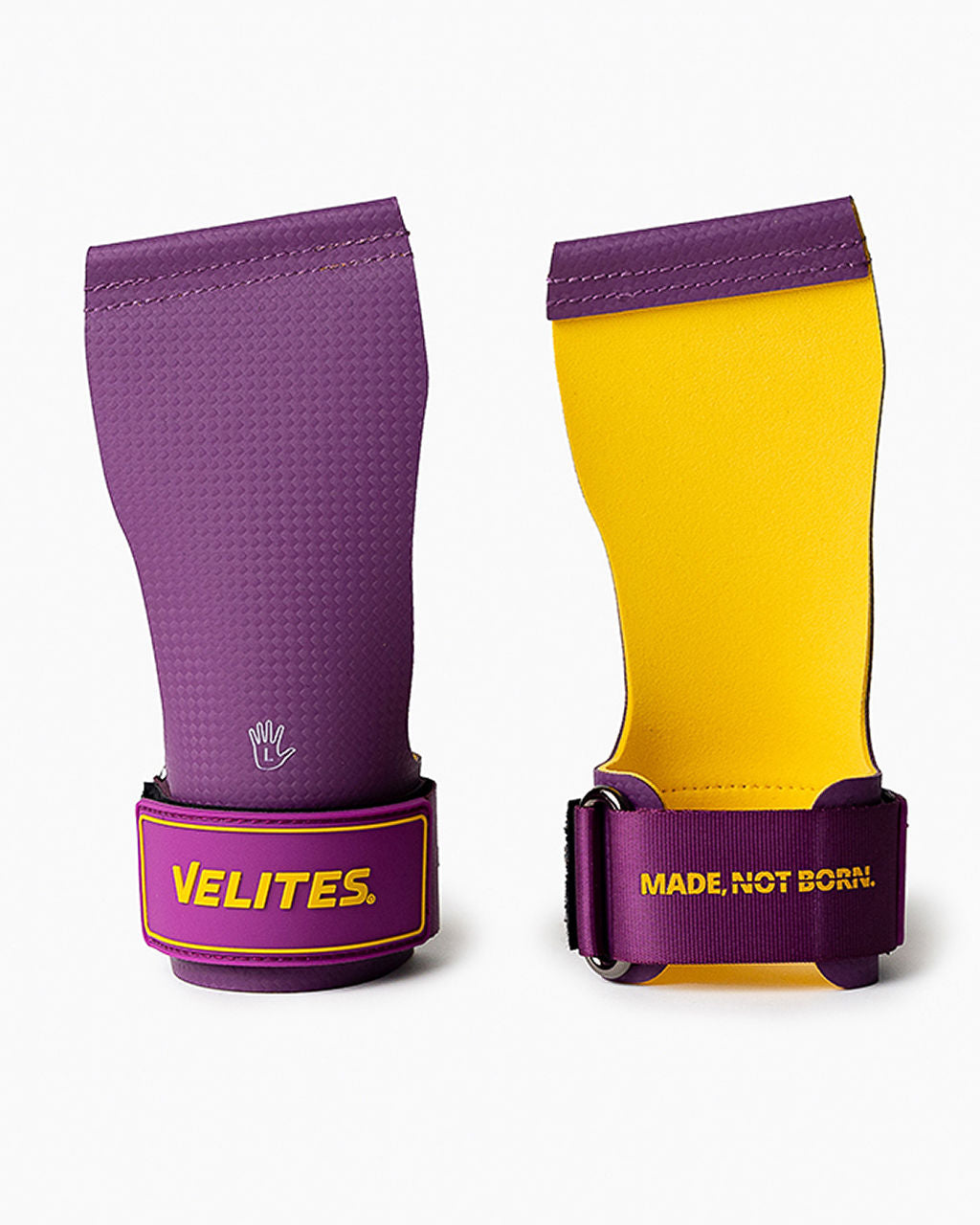
7 colors available
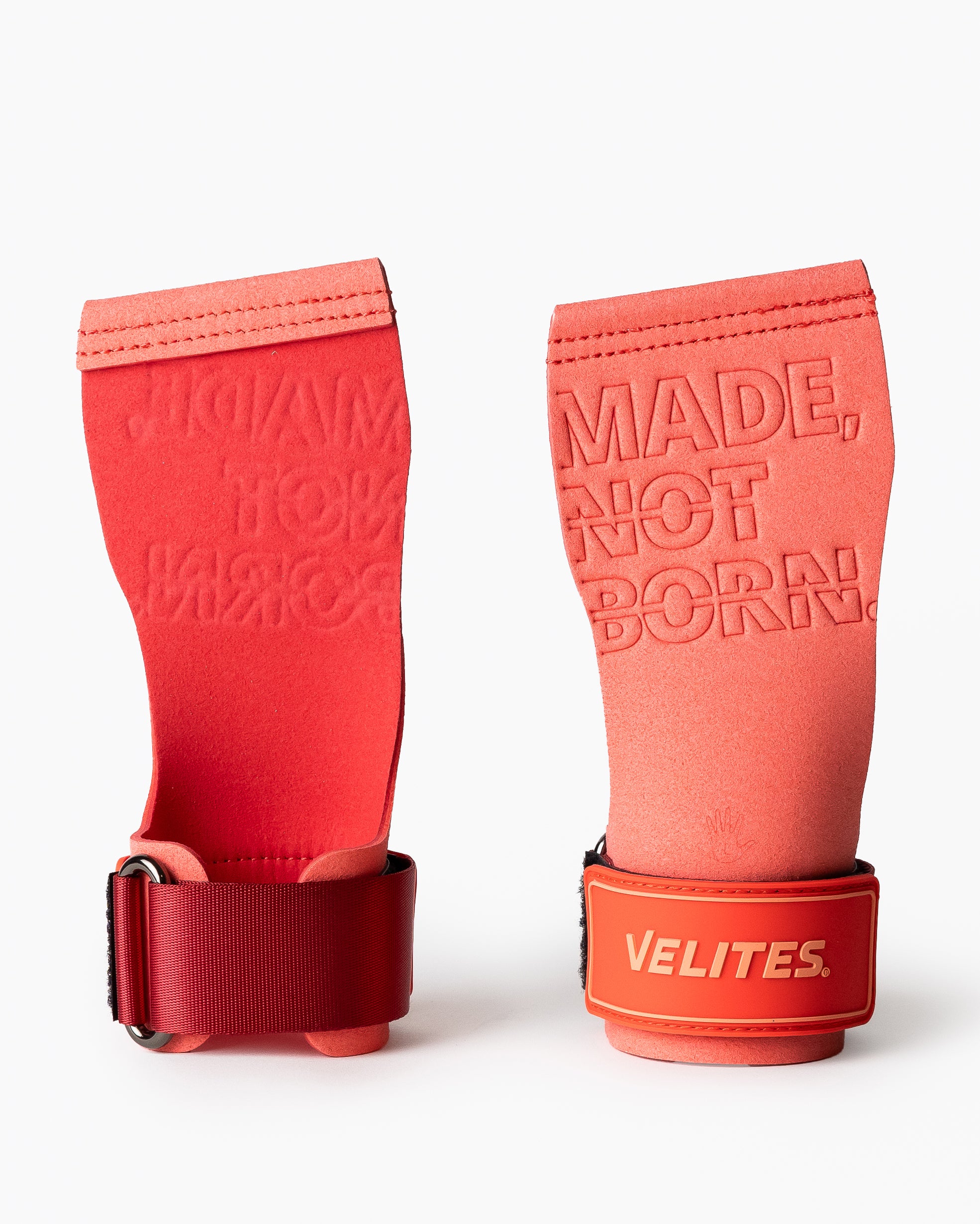
6 colors available
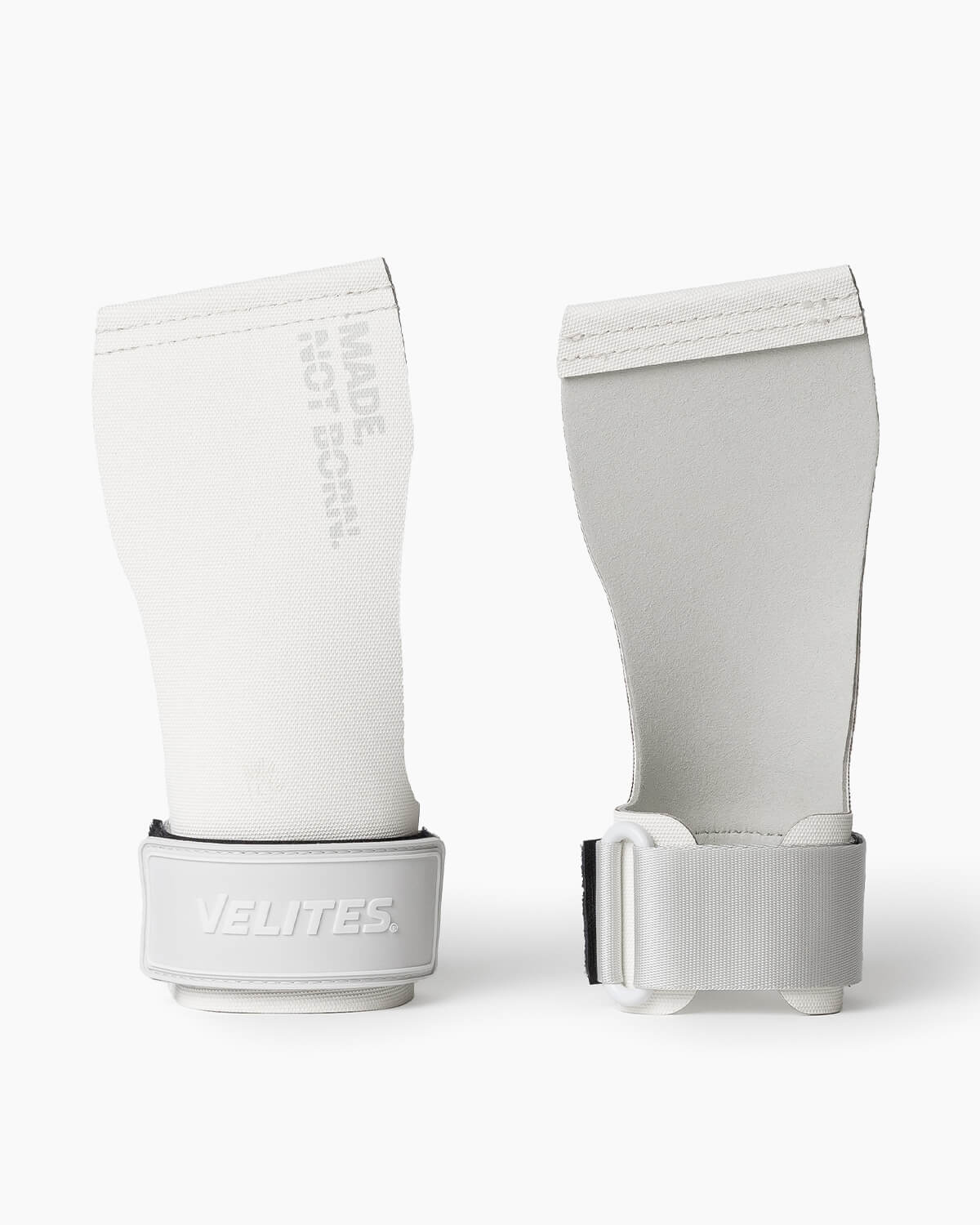
6 colors available

1 color available
Washing: simple, short and sensible
We're not looking for a “premium” wash. We want to remove sweat and residue without abusing the material. Before the steps, keep this idea in mind: the less “drama” in washing, the more stable the grip remains day after day.
How to wash (step by step): First I'll explain why and then the key points.
If you wash in a gentle and short cycle, you remove odors and chalk residues without deforming the material or damaging the velcro. The grip will stay the same for longer, and that's exactly what we want.
- Close the velcro so it doesn't snag on anything.
- Short cycle (10–15 min) and cold water. Avoid long or hot programs: they shorten lifespan.
- No harsh detergents or fabric softeners. If you want to use something, let it be very mild and in small amounts.
- Laundry/airing bag if you have one: reduces abrasion and protects the velcro.
- Do not mix with items that shed a lot of lint (towels).
Real example: you train late, put them away sweaty and remember them the next day. Solution: as soon as you get home, rinse in cold water, wring lightly without twisting and leave the short wash for the night. The next day they won't smell like a “gym”.
Drying: the habit that extends lifespan the most
If you only change one thing, let it be this: air-drying them. Retained moisture is the number one cause of odor and premature deformation.
How to dry (why and how): Air drying prevents the material from “baking” sweat and chalk inside. The grip feel remains more stable and the velcro doesn't lose strength.
- Take them out of the washer and shake gently.
- Hang them in a ventilated place, away from direct light and from sources of heat (radiator, dryer, car trunk in the sun).
- Don't store them wet in the bag. If you can't wash them that day, air them out on the way home.
Mini box hack: leave a small carabiner in the bag and hang them outside during the journey back. Five minutes of air make a difference.
Velcro: small detail, big difference
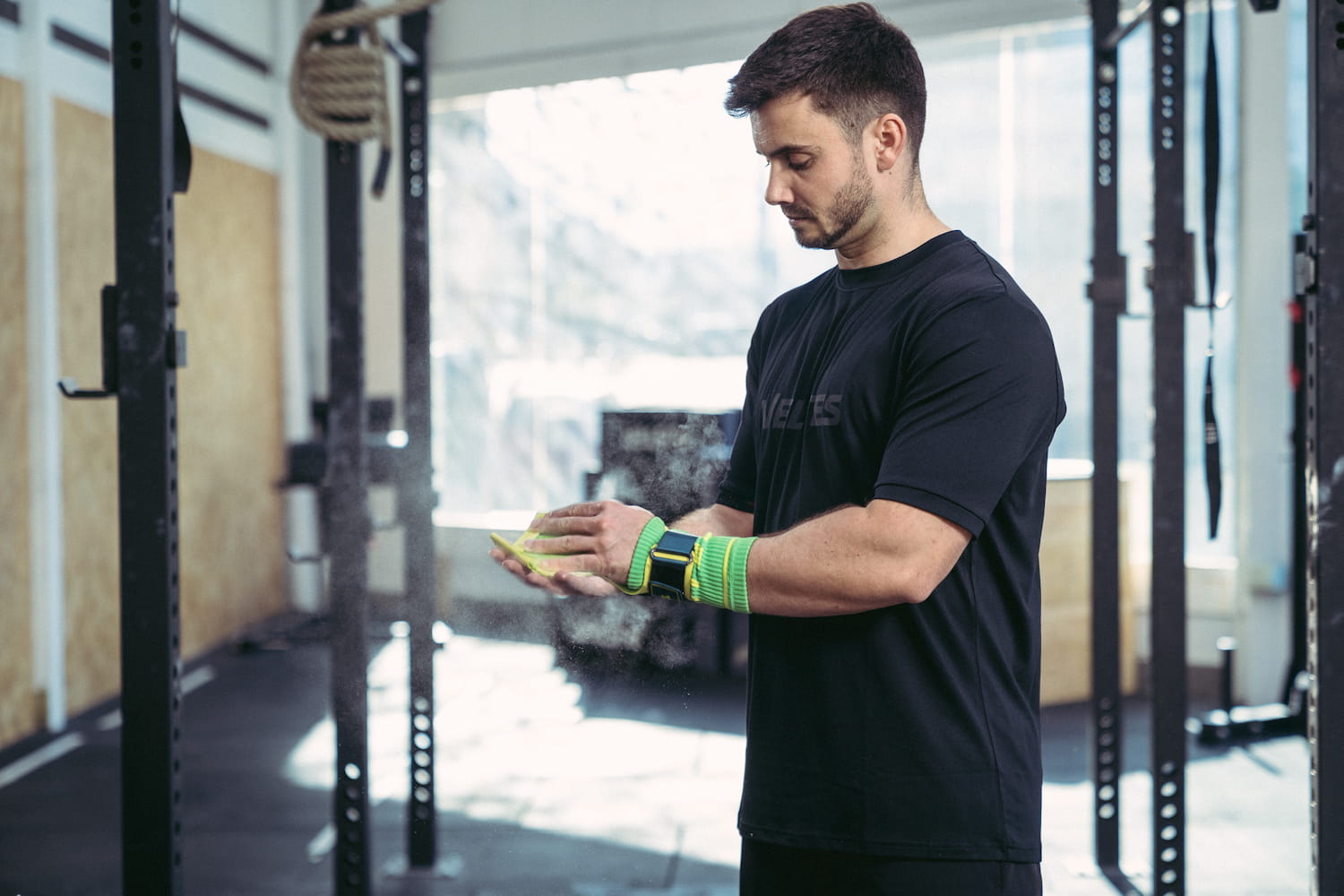
A clean velcro means a firm fit and a grip that doesn't rotate. With use it traps lint, T-shirt fibers and chalk dust. Keeping it in shape is a matter of two gestures.
Velcro maintenance (with context): If the velcro fills with lint, it “grips” worse, you loosen to compensate and… rotation and folds. Address the cause.
- Clean it of lint with your fingers or with a soft brush every few uses.
- Store the grip with the velcro closed so it doesn't trap dirt.
- Check that the closure sits straight (no twists) when you put it on: twisting the velcro creates wrinkles that then “bite”.
Real example: Alex noticed that “the grip was turning”. It wasn't the material: it was the velcro full of lint. Five minutes of cleaning and closing it straight when storing... and the rotation disappeared.
Usage habits that multiply durability
Before listing, here's the approach: it's not about being “picky”, but about eliminating what wears the most without losing your training rhythm.
- Always air them after training, even if you won't wash them.
- Manage the bar: if it's “caked” with chalk, brush it for 20–30 s; a dirty bar wears more and “falsifies” the grip.
- Thin layer of magnesium (when you use it). Caking = irregular layer that drags material and adds useless friction.
- Technique before brute force. Chaotic kipping generates friction spikes. With the same model, clean technique wears less.
- Rings: if they “don't release”, use less chalk or a model with a more tactile feel (Velites All Terrain usually works very well), and adjust so they sit flat.
Warning signs (and how to act)
We don't want drama, just early detection. Here's the sign, what it means and the quick fix.
- Persistent odor even after airing → Sweat/chalk residue. Short cold wash and air dry. Repeat two days in a row if necessary.
- “Weird” or inconsistent grip without changing the bar → Residue on the surface. Rinse with cold water, shake and air dry.
- Velcro that opens easily → Accumulated lint. Clean and store closed. If wear is advanced, consider replacement of the part if the manufacturer offers it.
- Hot spots always in the same place → Fold or too short size. Reposition flat, tighten firmly and check size (if in doubt, go up; see Chap. 6).
Does the model affect care? Yes, and here's how
Basic care is the same, but some contexts require extra attention. I put it with examples and Velites recommendations so you can apply it.
- You use a no-chalk system on a clean bar → Velites Quad Ultra / All Terrain. Take special care with drying in the air and do not mix with lint-shedding garments (it sticks to the material).
- You train with chalk and a knurled bar → Velites Quad Pro / Carbon / Competition. Rinse lightly from time to time to remove residual “paste”, brush the bar if you can and avoid thick chalk layers.
Express post-WOD routine (2 minutes that change everything)
Before closing the bag, dedicate 120 seconds. Your tomorrow self will thank you.
- Shake off the chalk and open the grips to the air.
- Run your hand over the velcro and remove visible lint.
- If they are very wet, rinse in cold water and squeeze them out without twisting.
- Hang them outside the bag during the trip home.
- Once home, air dry and store with velcro closed.
Frequently asked questions
Can I put them in the dryer?
Better not. Direct heat shortens the life of the material and the velcro. Air dry in a ventilated area.
How often should I wash them?
It depends on your sweating and volume. As a guide: air them after every use and short wash every few workouts or when you detect odor or residue.
Is the same care suitable for rings as for bar?
Yes, but watch out for chalk on wood: if they “don't release”, reduce chalk and prioritize a grip with a tactile (All Terrain) and a flat placement.
Can the velcro be “revived”?
By keeping it clean and closed when storing, it lasts much longer. If it's already very worn, check if there is a replacement or applicable warranty.
Systems comparison (no chalk vs chalk)
| Chalk | No chalk needed | Chalk | No chalk needed |
| Bar Surface | Smooth and knurled bars | Knurled bars | Smooth bars |
| Accessories | Wrist wraps + bag | Wrist wraps | Wrist wraps + bag |


Keep exploring the complete guide:


Leave a comment
This site is protected by hCaptcha and the hCaptcha Privacy Policy and Terms of Service apply.