

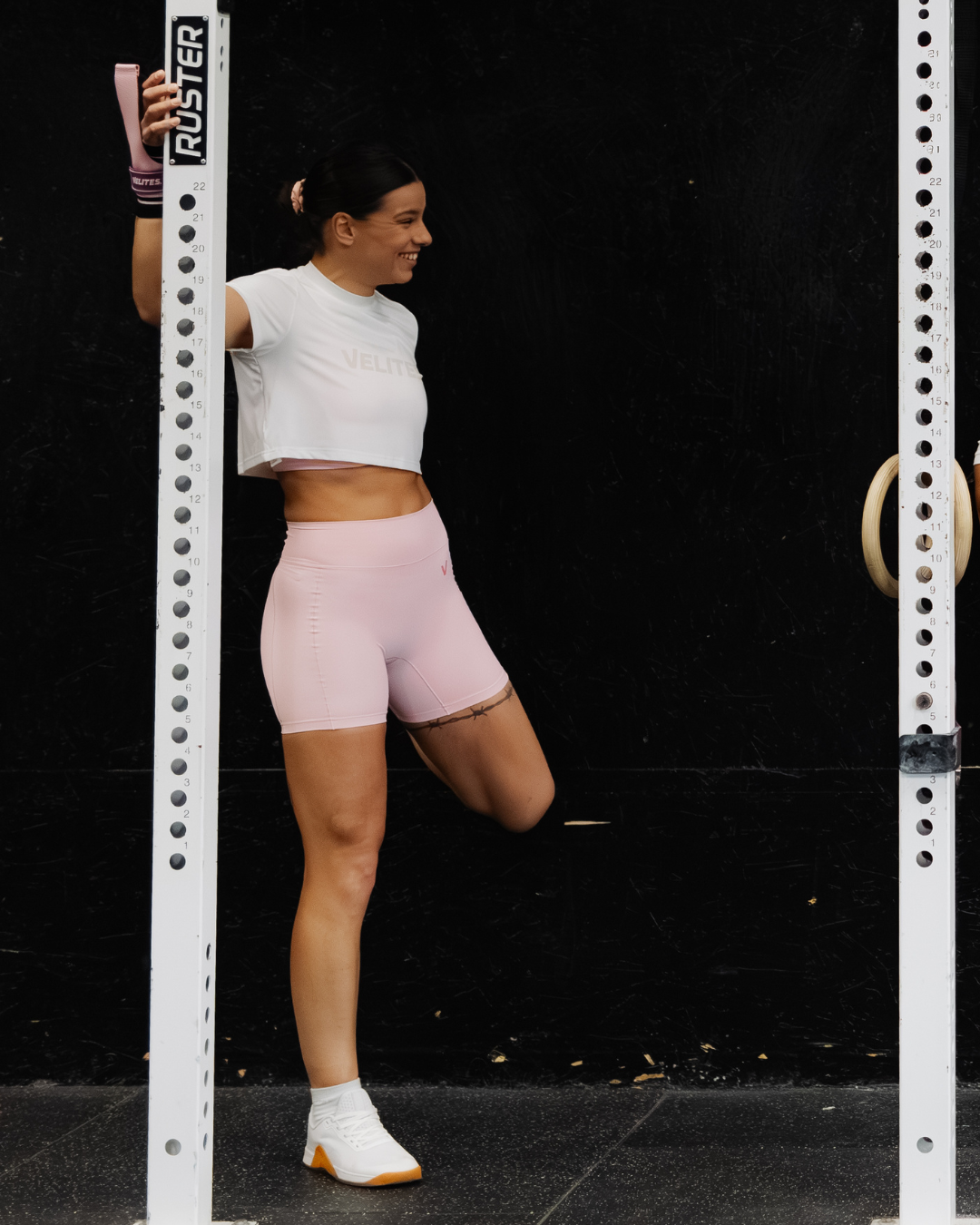
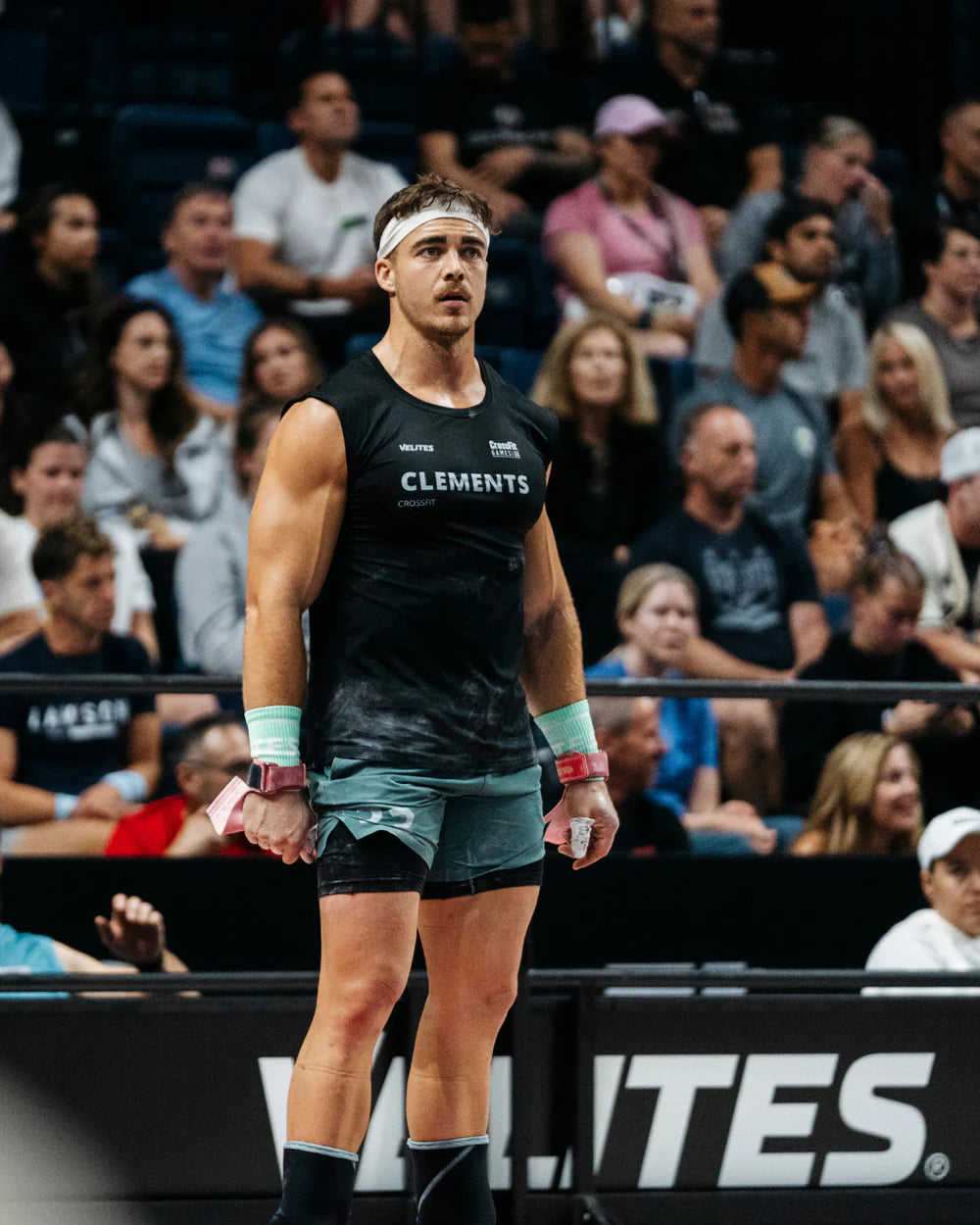
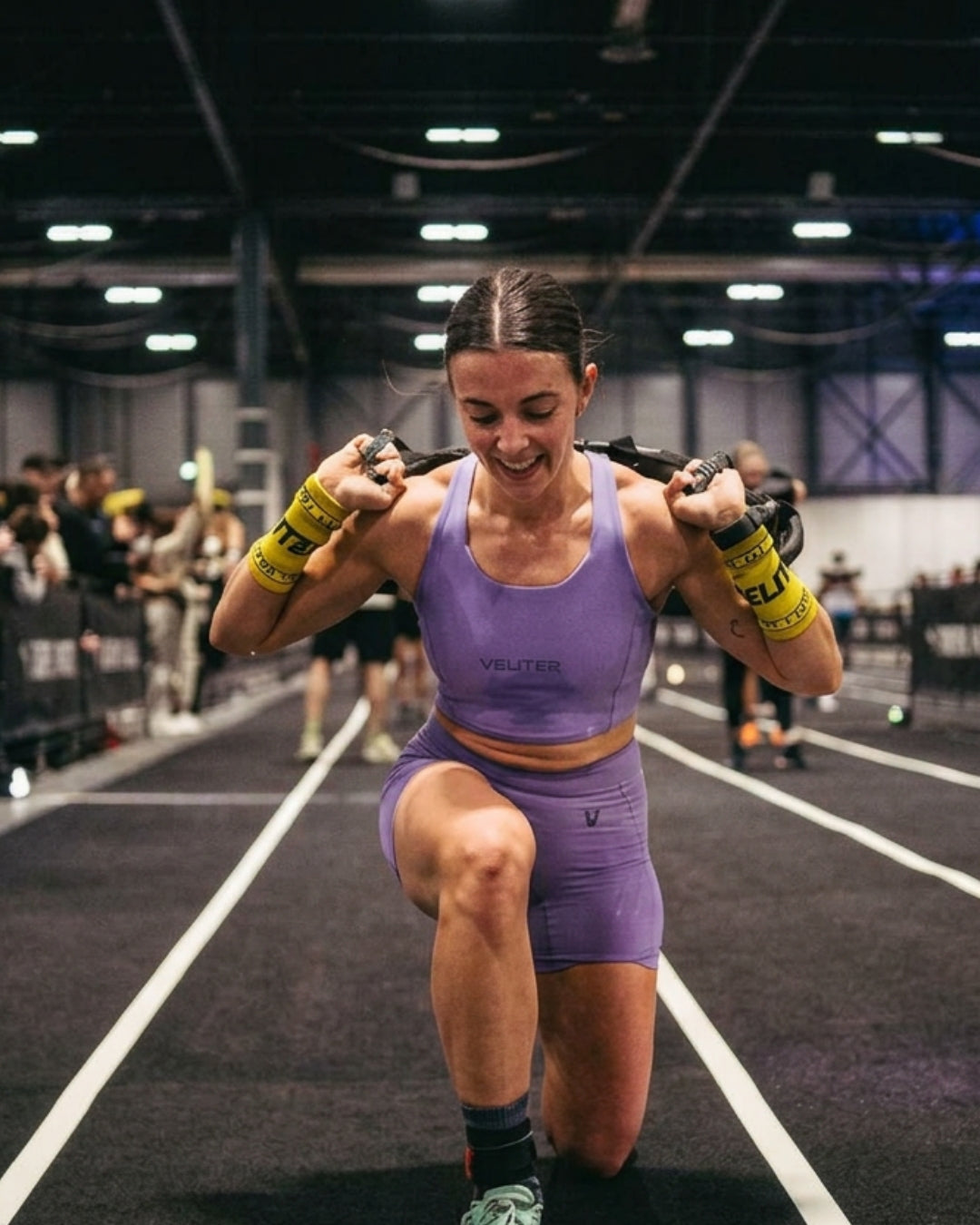
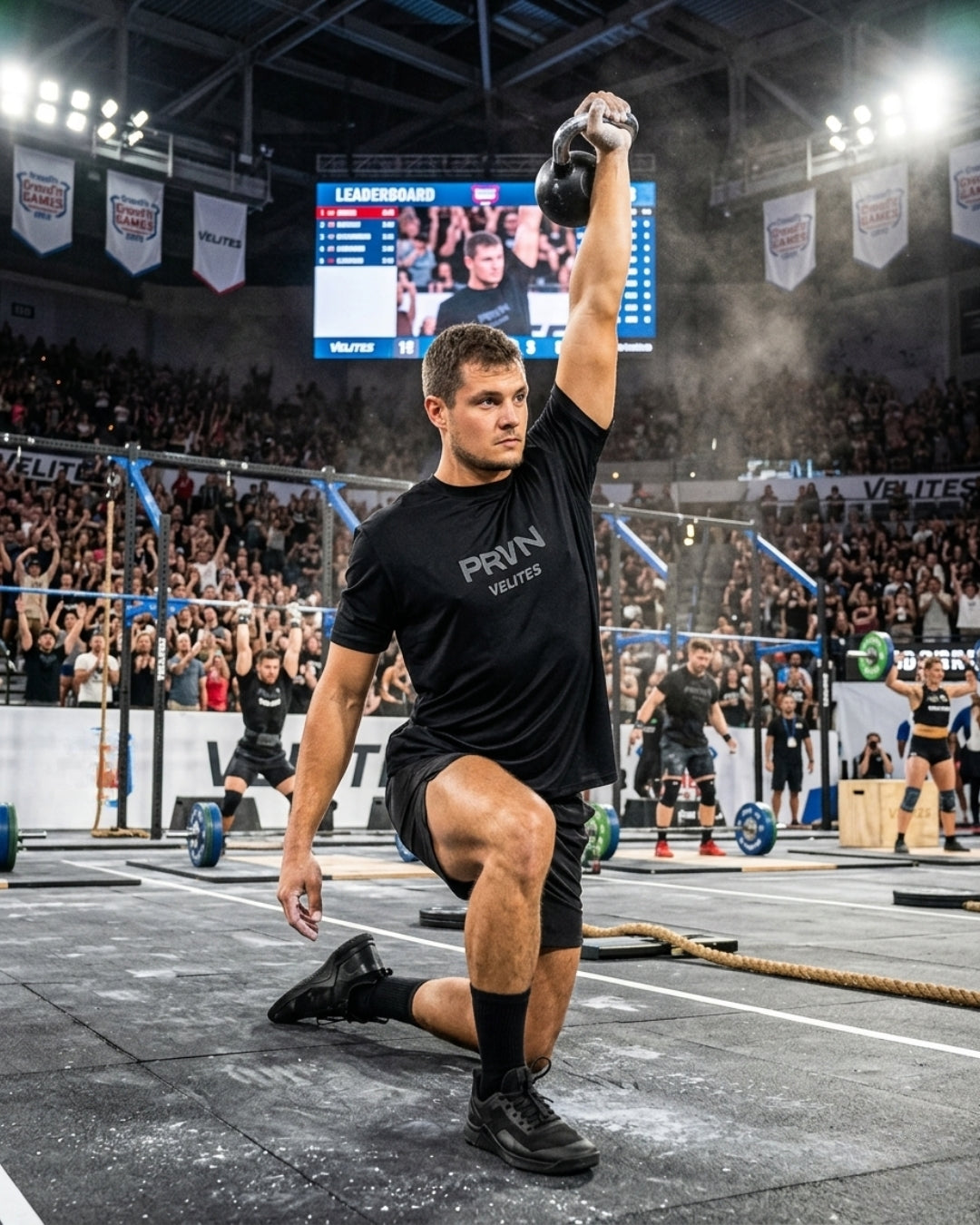
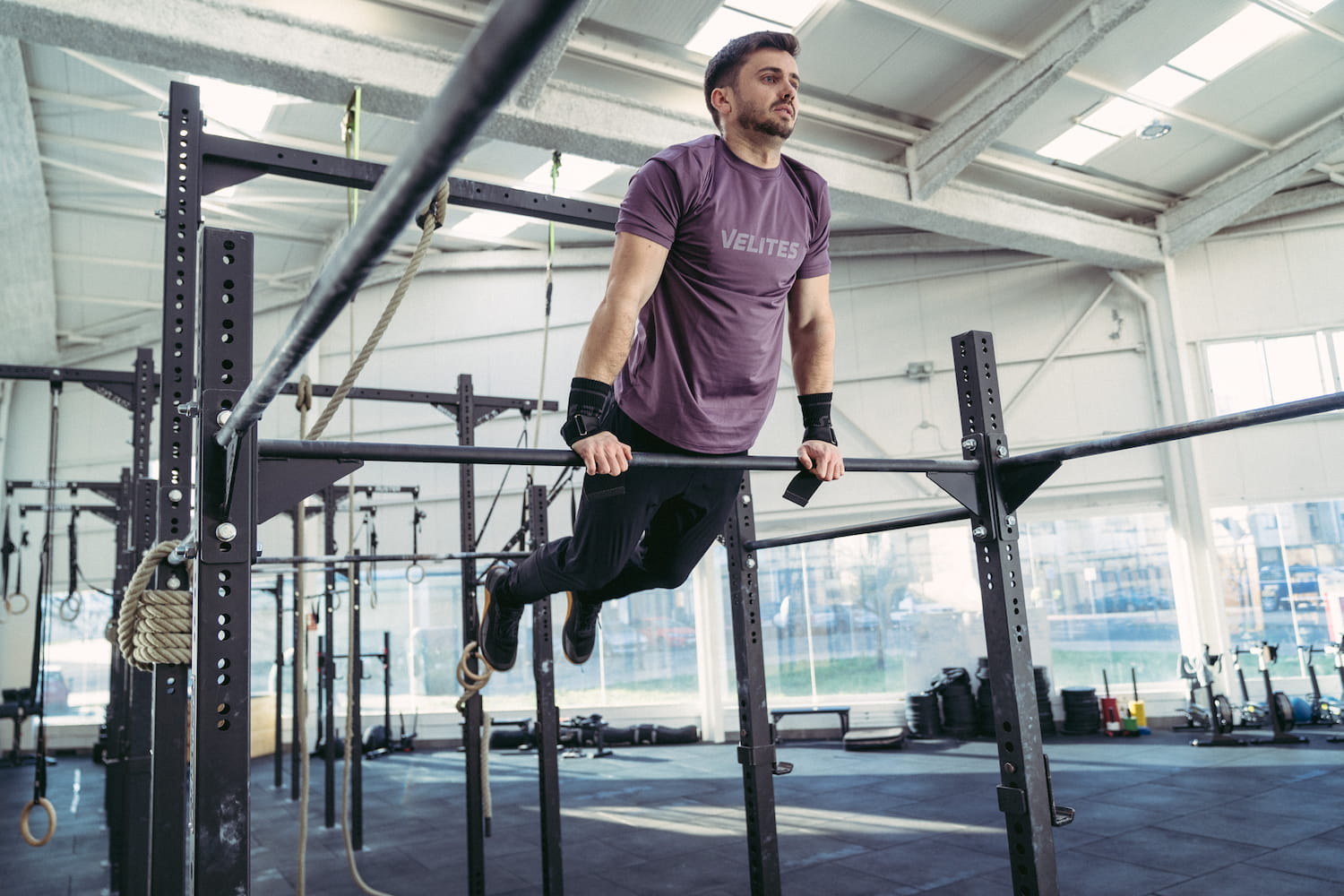
There are no “best grips” for everyone. What exists is what you need today to train consistently. Your level determines your typical mistakes… and the grip that removes them.
Why level matters (more than you think)
Before getting into models, think about your day-to-day. When you start, what holds you back isn't raw strength, but your grip and your skin: you cut sets because of slipping or hot spots. In the intermediate phase, the challenge is no longer “holding on”, but being consistent: today a clean bar, tomorrow a “chalked-up” bar. And if you compete, the picture changes: you don't control the bar and on top of that there are rules.
For each stage, I'll give you a brief explanation first and then the key points. Read them like a quick locker-room chat, not a technical datasheet.
If you're a beginner: early wins and uninterrupted technique
When you're starting out, your number one goal is string together reps without stopping every two seconds. That gives you more time practicing technique and less time fighting the rig. Context rules here: if you control a clean bar, everything is easier.
What to look for (and why):
Think in terms of feel, not specs. You want stable grip without living in the chalk bucket, a flat placement that doesn't fold and a size that covers the area where it actually rubs when you hang. With that base, improvement comes on its own.
- Stable grip without chalk → longer sets and less “re-adjusting”.
- Flat placement and firm velcro → zero folds = zero hot spots.
- Use a clean bar whenever you can → direct and predictable contact.
Velites recommendations (when to use each):
You don't need two drawers of gear: by choosing well based on your environment will be enough.
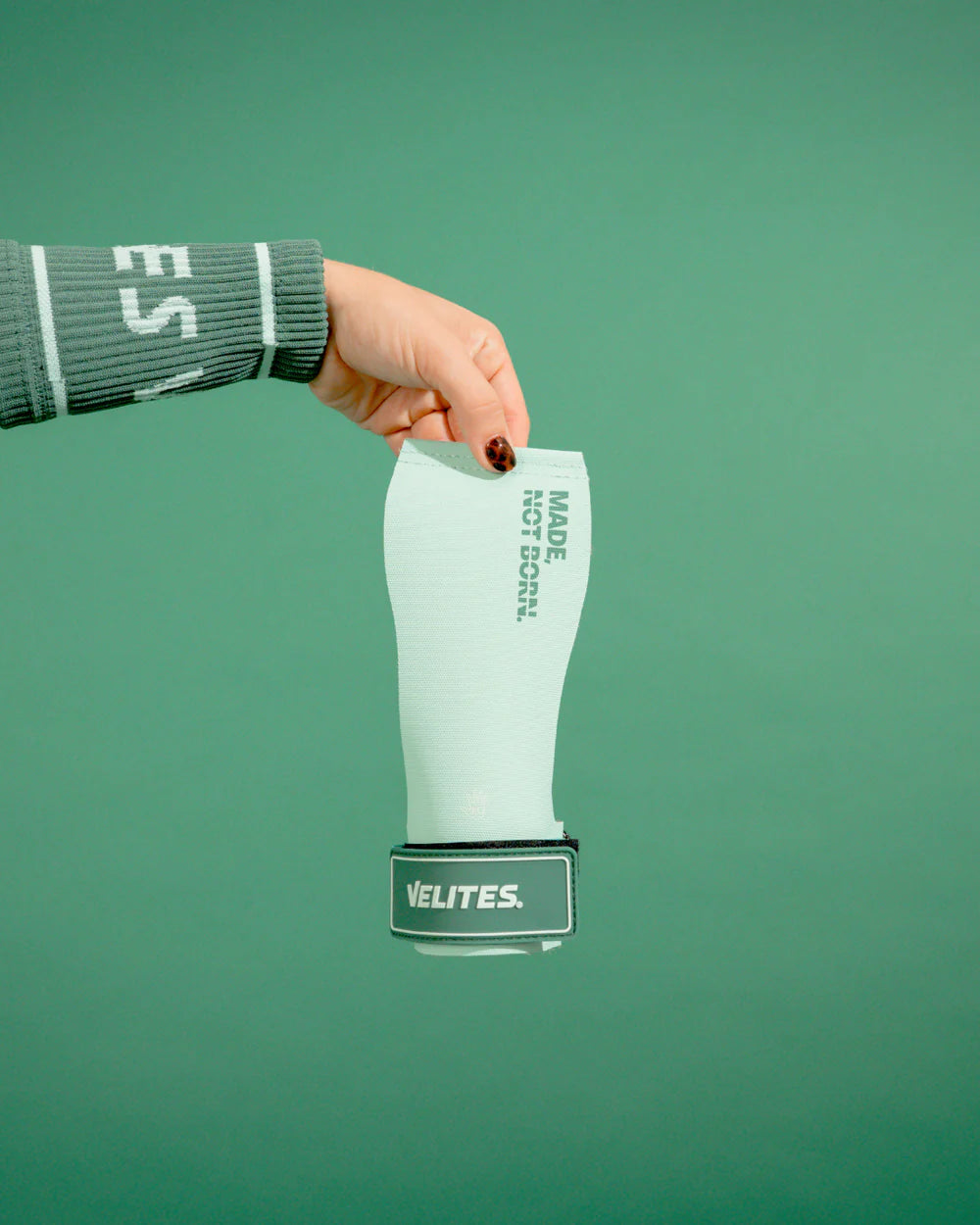
- Velites Quad Ultra → for clean bar and predictable. It gives a very consistent grip without chalk and frees your mind from the chalk bucket.
- Velites Quad All Terrain → for classes with high turnover, some external chalk, or ring days. It maintains a stable performance even if the surface changes a bit.
Mini routine that works (for real):
Before your main block, spend a minute to “stack the odds in your favor”.
- Clean or choose a clean bar (20–30 s of brushing are worth gold).
- Quick test: hang for 10–15 s and do 2 reps to “feel” the contact.
- Adjust: if you notice a fold, move it higher and fasten the velcro one notch tighter.
- Size: if in doubt between two, go up; better to cover than to leave skin exposed.
See grips without chalk → Quad Ultra / Quad All Terrain
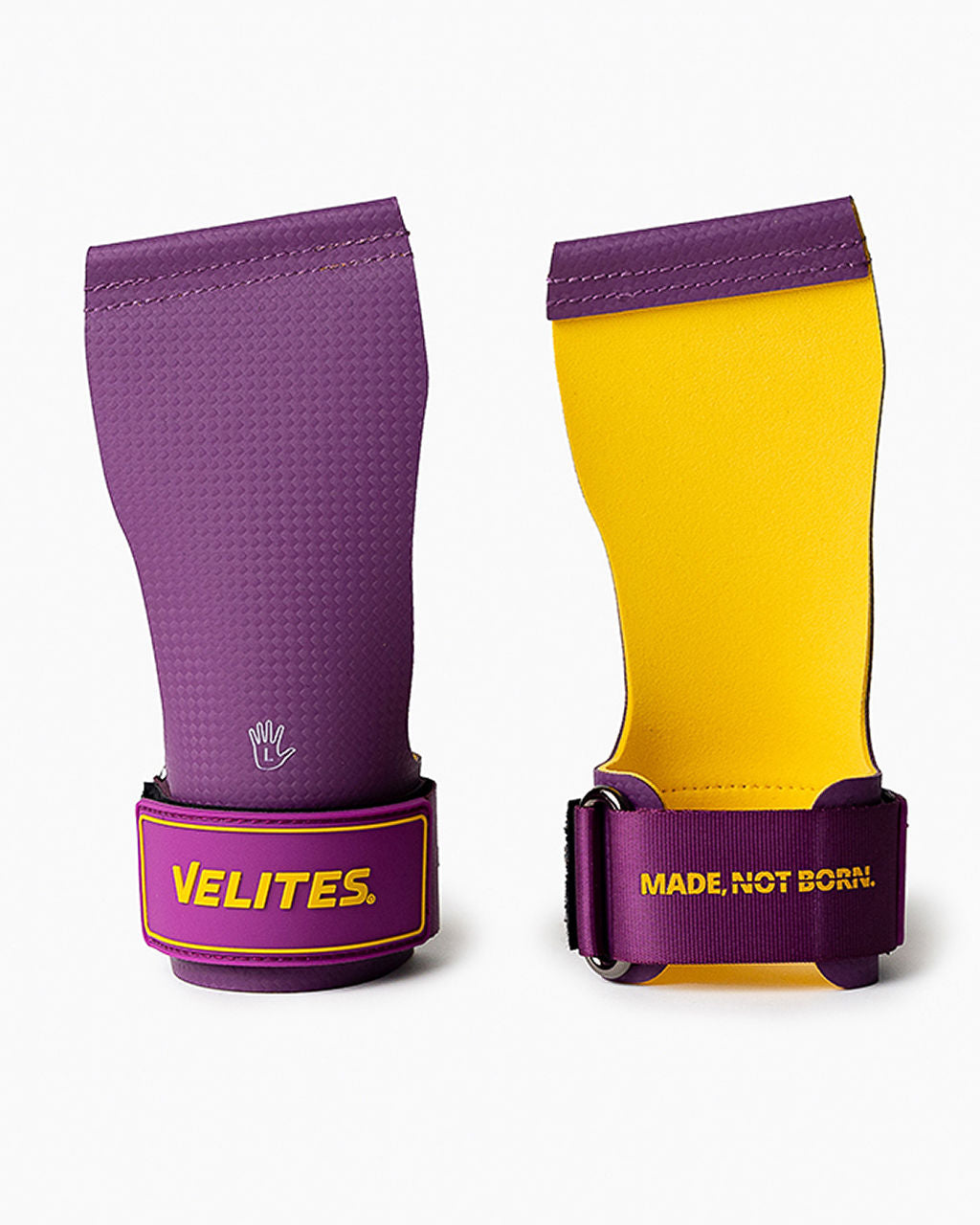
7 colors available
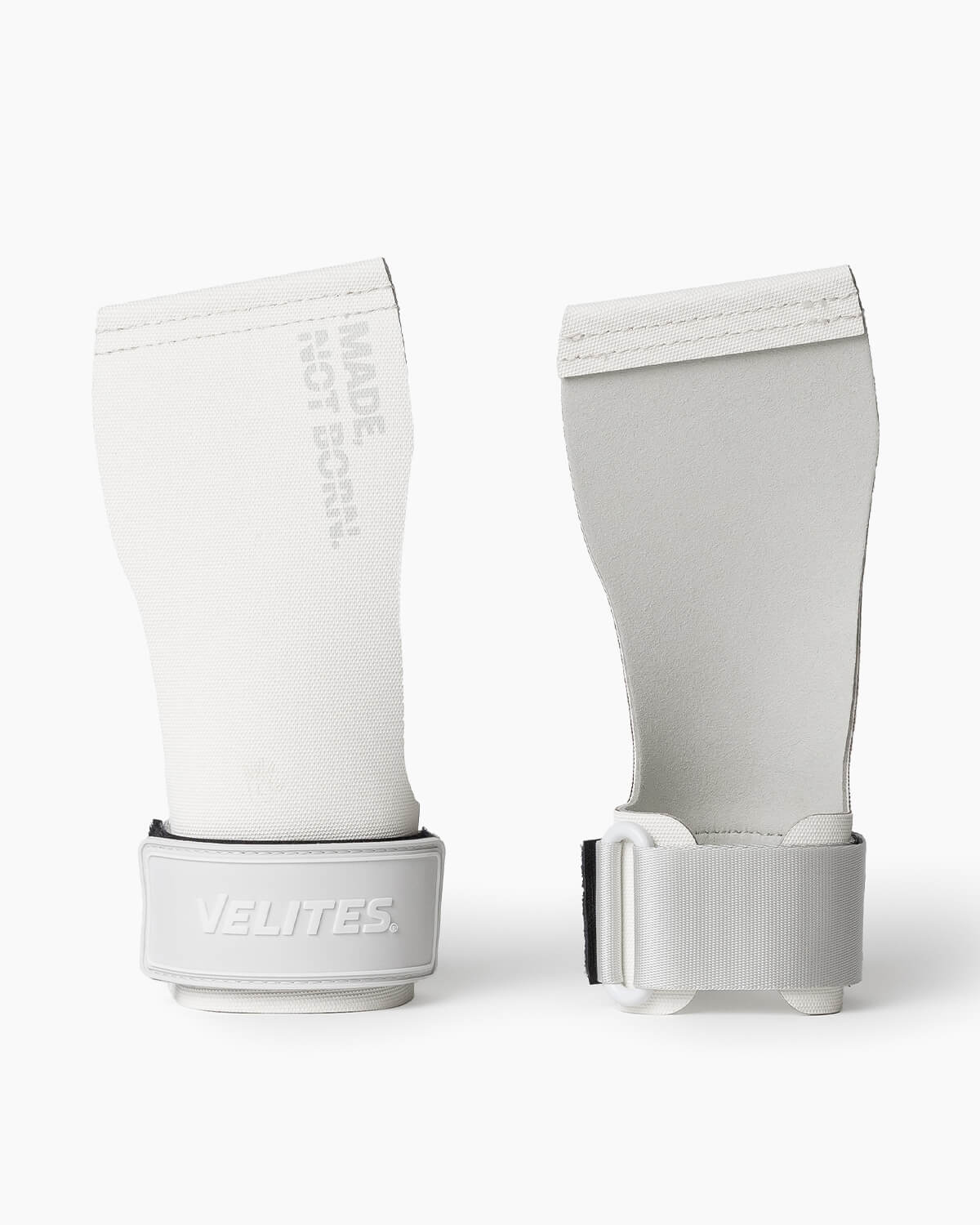
6 colors available
If you're intermediate: consistency in variable environments
At this point you're not wiped out by anything, but there are days everything flows and others where, with the same hands and the same grip, nothing fits. The difference usually lies in the environment: different bars, accumulated chalk, humidity. Your job is to domesticate variability.
What to look for (and why):
You need materials and habits that “cushion” the changes of the box. It's not magic: it's routine.
- Stable response when the surface changes → less lottery between bars.
- Habit of brushing and testing → 30 s of brushing + 2 test reps save you half a WOD.
- Decide the system (no chalk or with chalk) based on the day, not by habit.
Velites recommendations (when to use each):
Think about no chalk when you can control the bar; with chalk if the bar bites or you sweat a lot.
- Velites Quad All Terrain → the wildcard for variable environments. On rings (wood) it feels tactile and releases well.
- Velites Quad Pro / Quad Carbon → for rough bar and use with chalk. Pro is the general balance; Carbon feels very solid when the knurling bites or there's a lot of chalk.
A landing to reality (this will sound familiar):
You arrive in the evening, the bar is “chalked-up”. First, brush; then two test reps. If without chalk you already feel it stable, go with All Terrain. If sweat is heavy or the bar bites, add a thin layer of chalk and switch to Pro/Carbon. Suddenly, the set flows again.
Comparison of systems (no chalk vs chalk)
| Chalk | No chalk needed | Chalk | No chalk needed |
| Bar Surface | Smooth and knurled bars | Knurled bars | Smooth bars |
| Accessories | Wrist wraps + bag | Wrist wraps | Wrist wraps + bag |


If you're a competitor: uncertainty + rules
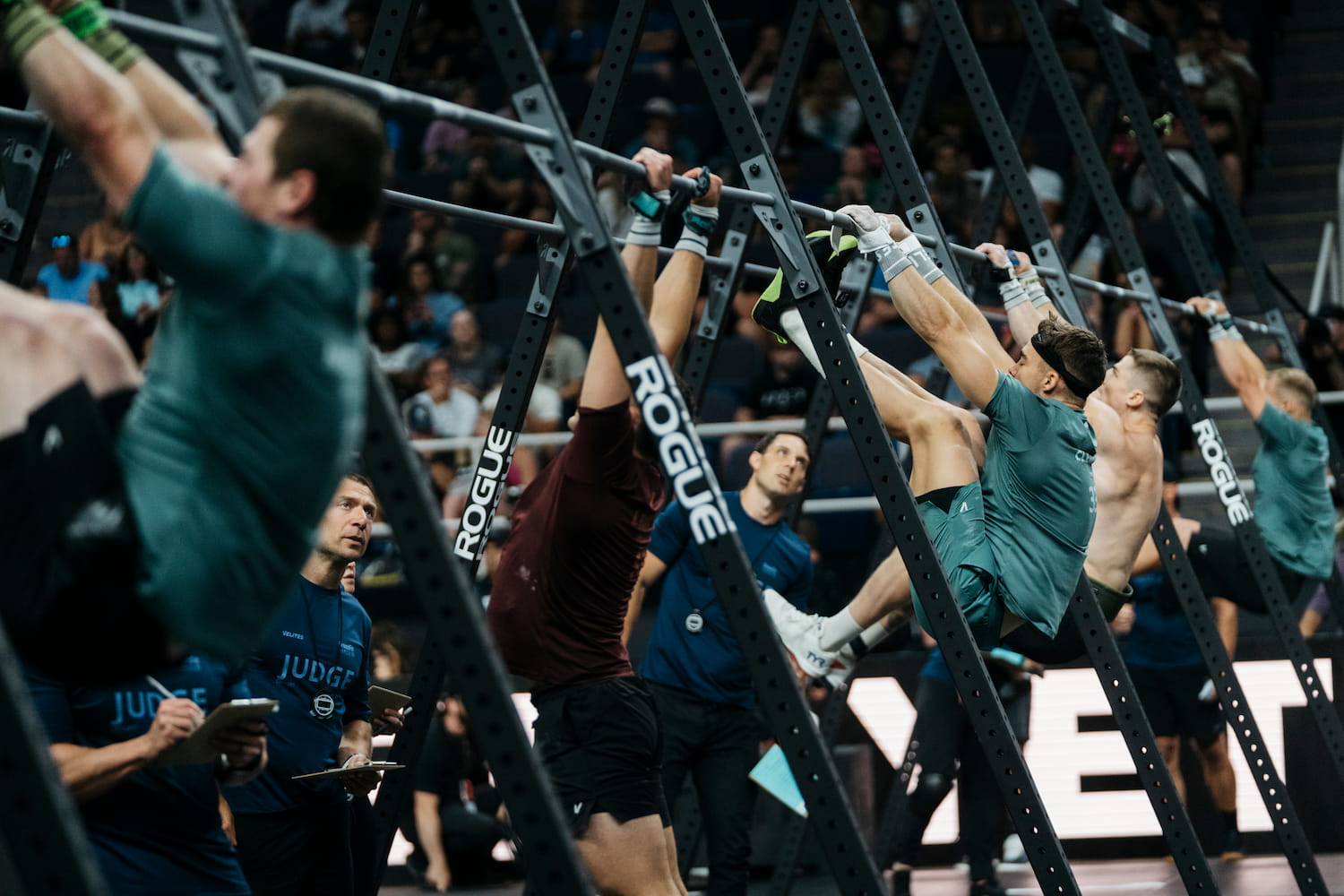
In competition you don't call the shots: you're assigned a bar, there are rushes and sometimes regulations that leave doubts about what is allowed. Your objective is twofold: perform the same wherever they place you and avoid surprises with the equipment.
What to look for (and why):
Don't complicate; simplify. It means two things: compliance and an express routine that gets you in control in 20 seconds.
- Compliance with the rules → zero arguments with the judge.
- Very simple Plan A/B → read the bar, short test, thin layer if needed.
- No caking the bar → more chalk ≠ more grip.
Velites recommendations (when to use each):
Compete with what you train with; don't debut something on the day of the event.
- Velites Quad Competition → if you're worried about the rules and want solid protection with the least risk of interpretation.
- Velites Quad Pro / Quad Carbon → for events where with chalk is the norm and the bar is rough.
- Useful backup: a couple of All Terrain can save you if they don't let you brush and the bar is “impossible”.
6 colors available

1 color available

Pre-heat checklist (your golden minute):
Imagine you're already in the chute. You don't need big things; you need order.
- Look at the bar (chalk/humidity/knurling) and decide the system.
- Test 5–10 s hanging + 2 reps to feel reality.
- Thin layer of chalk if needed; brush if they allow it.
- No surprises: if there's doubt, Competition and compete.
See competition grips → Quad Competition
See grips with chalk → Pro
1 color available
Errors by level (and how you fix them in a minute)
Instead of releasing a dry list, I'll give you the typical “trap” and the simple correction that makes the biggest difference.
Beginner — “Small size because I have a small hand.”
In grips without holes what matters is what it covers when hanging. If you hesitate between two, go up: covering prevents exposed skin right where it rubs.
Intermediate — “If it doesn't grip, I add more chalk.”
It's usually the opposite: more paste = grip uneven. Go back to a thin layer and brush; you'll see the difference.
Competitor — “Change grip on event day.”
Classic mistake. Compete with what you've trained with and practice your express routine (look at bar, test, thin layer).
Two short stories that sum up the chapter
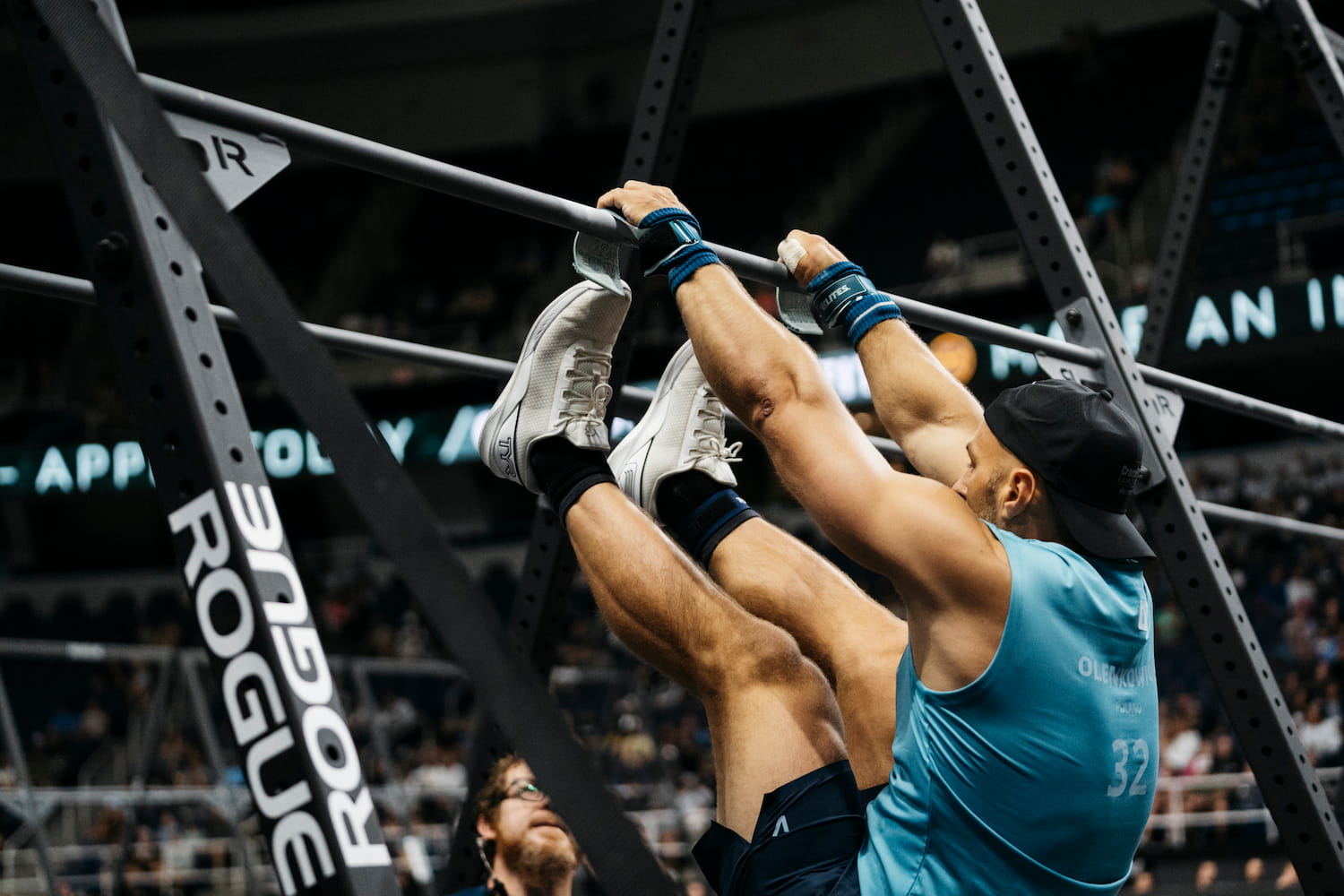
Clara (beginner): went from 5 to 12 toes-to-bar in three weeks with Ultra on a clean bar and a fixed ritual: clean–test–adjust. She didn't change hands; she changed her consistency.
Mario (intermediate who competes): he trained on two opposite rigs. He decided the “mode” on arrival: if the bar was reasonable, All Terrain; if it was rough and wet, Pro/Carbon with a thin layer. In qualifiers, Competition and plan B in the bag. Zero surprises.
Sizing and fit guide
Comparison of systems (no chalk vs chalk)
| Chalk | No chalk needed | Chalk | No chalk needed |
| Bar Surface | Smooth and knurled bars | Knurled bars | Smooth bars |
| Accessories | Wrist wraps + bag | Wrist wraps | Wrist wraps + bag |
Keep exploring the complete guide:

Leave a comment
This site is protected by hCaptcha and the hCaptcha Privacy Policy and Terms of Service apply.